Early Literacy Skills Every Child Should Develop
Learning to read does not begin when a child opens a school textbook. It starts much earlier, through conversations, stories, songs, play, drawing, writing, and everyday experiences with words and print. These early experiences help children understand how language works and prepare them for reading and writing.
Early literacy is not about making a young child read difficult books before they are ready. It is about building the skills that make reading easier later. Research points to several connected areas, including oral language, vocabulary, phonological awareness, alphabet knowledge, print awareness, early writing, and comprehension.
What Are Early Literacy Skills?
Early literacy skills are the abilities children develop before they become independent readers and writers. They include what a child understands about spoken language, sounds, letters, books, words, writing, and meaning.
A child may know many letters but still struggle to read words. Another child may speak confidently but find it difficult to connect sounds with letters. Looking at literacy as a group of connected skills gives parents a clearer picture of what a child needs to practise.
Early literacy milestones can look different from child to child. Some children quickly recognize letters but need more help with sounds or comprehension; others develop strong language first. What matters is steady development across several areas, not perfect performance in every skill at the same age or stage.
1. Oral Language and Vocabulary
Strong reading begins with strong language. Children need opportunities to hear words, use them, explain ideas, ask questions, and understand what others say.
A growing vocabulary also supports reading comprehension. When children meet a familiar word in a book, they can focus more easily on the meaning of the sentence. Parents can build vocabulary through ordinary conversations: describe what you see, introduce new words, ask open questions, and talk about stories after reading them.
2. Phonological Awareness
Phonological awareness means noticing and working with the sounds in spoken language. Children gradually learn that sentences contain words, words contain syllables, and words can be broken into smaller sounds.
Rhyming games, clapping syllables, identifying beginning sounds, and blending sounds into words are useful activities. This skill matters because children eventually need to connect speech sounds with written letters when learning to read and spell.
3. Alphabet and Letter Knowledge
Children need to recognize letters and learn that letters represent sounds. Knowing the alphabet is more than memorizing its order. A child should gradually become familiar with letter shapes, names, and common letter sounds.
Parents can practise through magnetic letters, alphabet books, name writing, and simple games such as finding every letter “M” on a page. Keep practice short and enjoyable rather than turning every activity into a test.
4. Print Awareness
Print awareness is a child’s understanding of how books and written language work. Children learn that print carries meaning, that books have a beginning and end, and that words are different from pictures.
During shared reading, point to the title, show where reading begins, and occasionally track the words with your finger. Notice signs, labels, menus, packaging, and other print around the home. These small moments teach children that reading is part of everyday life.
5. Listening and Story Comprehension
A child can understand a story without being able to read the words independently. Listening comprehension helps children learn to follow events, identify characters, answer questions, predict what might happen, and explain why something happened.
After reading a story, ask questions such as, “What happened first?” or “Why do you think she did that?” Encourage the child to retell the story in their own words. This develops understanding rather than simple recall.
6. Early Writing and Spelling
Writing develops alongside reading. Scribbling, drawing, pretending to write, copying letters, writing a name, and attempting simple spellings are all meaningful steps.
Do not expect perfect spelling in the early stages. When a child tries to write a word, ask what sounds they hear and help them think about the letters that could represent those sounds. Early writing gives children a practical reason to notice sounds, letters, and words.
7. Reading Motivation and Book Habits
Children also need a positive relationship with books. Enjoying stories, choosing books, listening to an adult read aloud, visiting a library, and talking about characters can build interest in reading.
A child who associates books only with correction or pressure may become reluctant to read. Make reading a shared experience. Let children choose some books, reread favourites, and talk about pictures and ideas without turning every story into a lesson.
8. Connecting Skills Instead of Teaching Them Separately
One important point often missed in basic early-literacy lists is that these skills work together. Vocabulary supports understanding. Phonological awareness supports sound-to-letter learning. Letter knowledge supports decoding. Reading and conversation build knowledge that later supports comprehension.
For example, while reading a short story, a parent can discuss a new word, notice a letter, ask the child to identify a rhyme, and then ask what the story means. One simple activity can strengthen several areas at once.
How Can Parents Support Early Literacy at Home?
You do not need expensive resources or long study sessions. Build literacy into daily routines. Read aloud regularly. Talk during meals and travel. Sing songs and nursery rhymes. Play sound games. Encourage drawing and writing. Let your child see you reading. Keep books available and make time for the child to talk about what they hear and see.
It is also important to notice patterns rather than judge a child by one activity. If a child repeatedly struggles to recognize letters, hear sounds in words, remember instructions, express ideas, spell simple words, or understand stories, extra support may be useful.
When Should a Child Get Extra Reading Support?
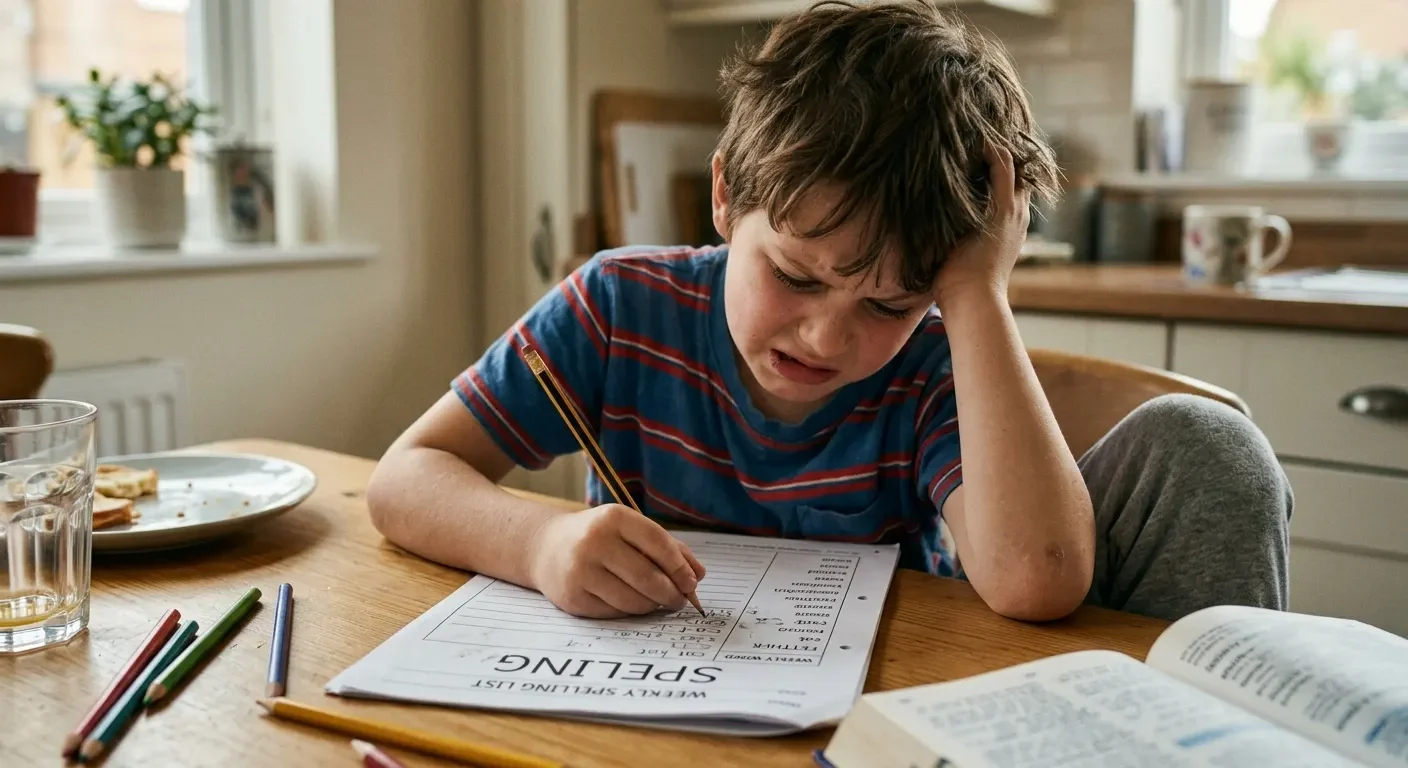
Every child develops at a different pace, but persistent difficulty should not simply be dismissed as laziness or lack of interest. Early support can help identify which underlying skills need attention.
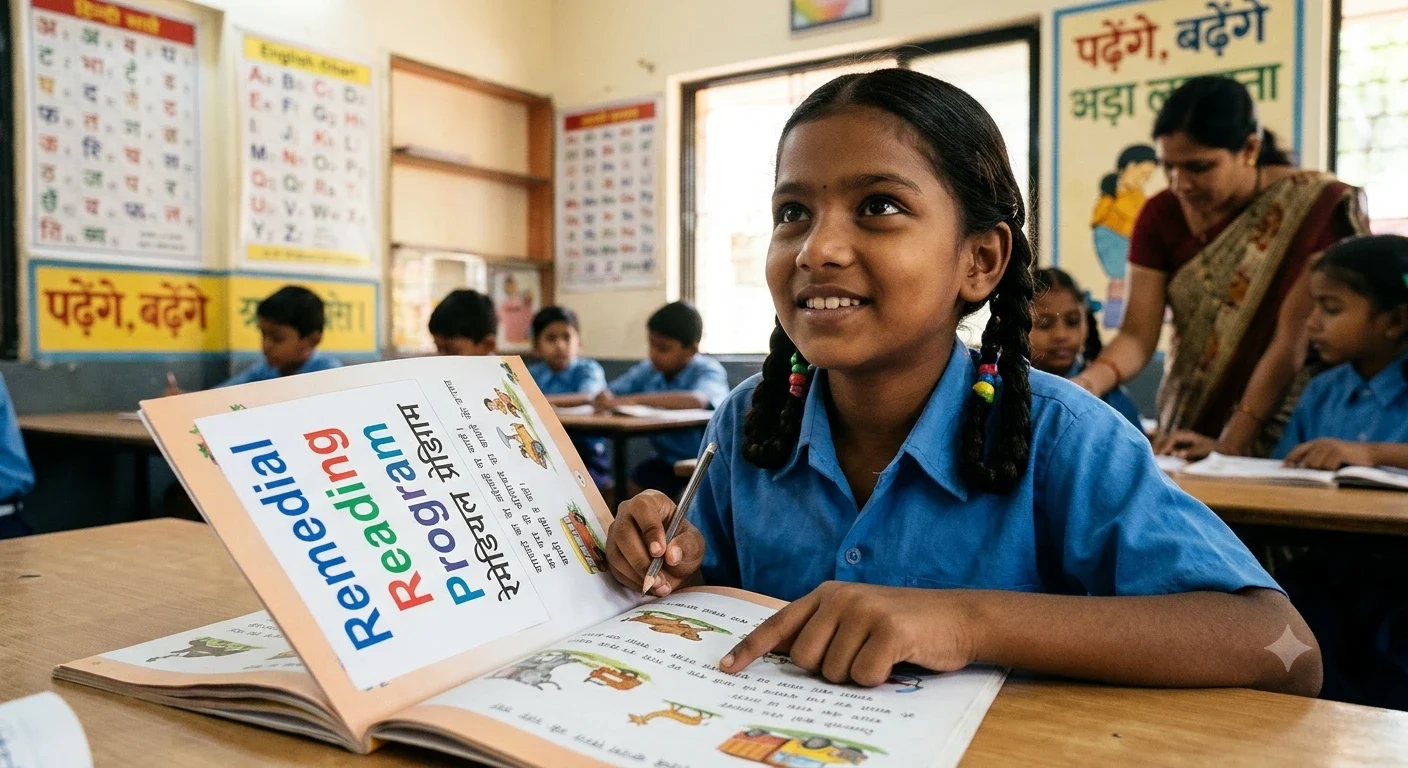
A structured reading programme can be particularly helpful when practice at home is not producing progress. The goal should not be to make children rush through books. It should be to strengthen the foundations that allow them to read, spell, write, and understand with confidence.
Build Strong Foundations with Power Reading Hub
Power Reading Hub helps children strengthen the core skills behind successful reading, including reading, spelling, comprehension, writing, and vocabulary. Its 4-Pillar Power Reading Framework is designed to address gaps systematically while helping children become more confident learners.
For parents, the benefit of a structured approach is clarity. Instead of repeatedly asking a child to “read more,” you can work on the specific skills that are creating difficulty. With the right guidance and consistent practice, children can make meaningful progress without turning learning into a daily battle.
Early literacy is built through many small moments: a bedtime story, a rhyme in the car, a child writing their name, or a conversation about a new word. When these experiences are supported intentionally, they give children a stronger foundation for reading and learning.
If you are concerned about your child’s reading, spelling, writing, or comprehension, explore Power Reading Hub to understand how targeted support can help your child build stronger literacy skills.