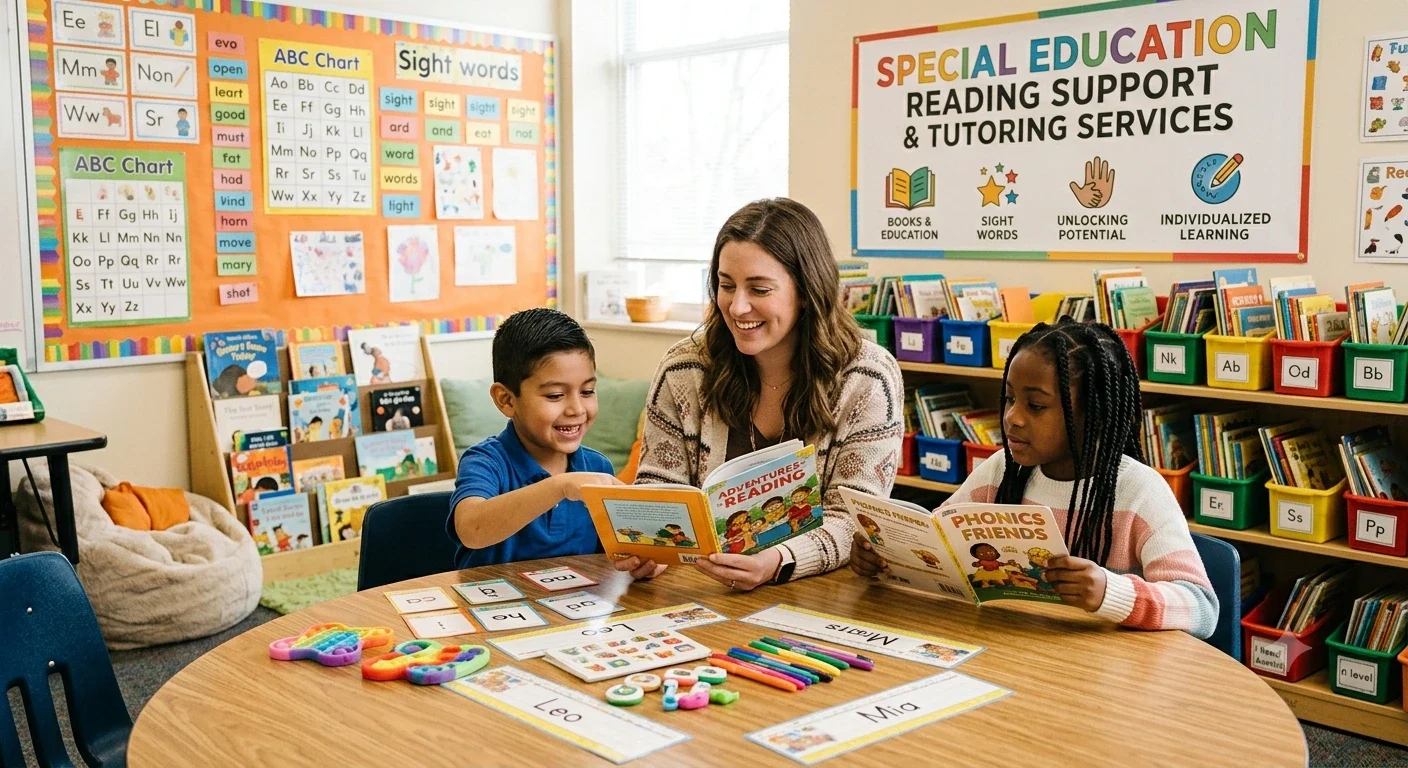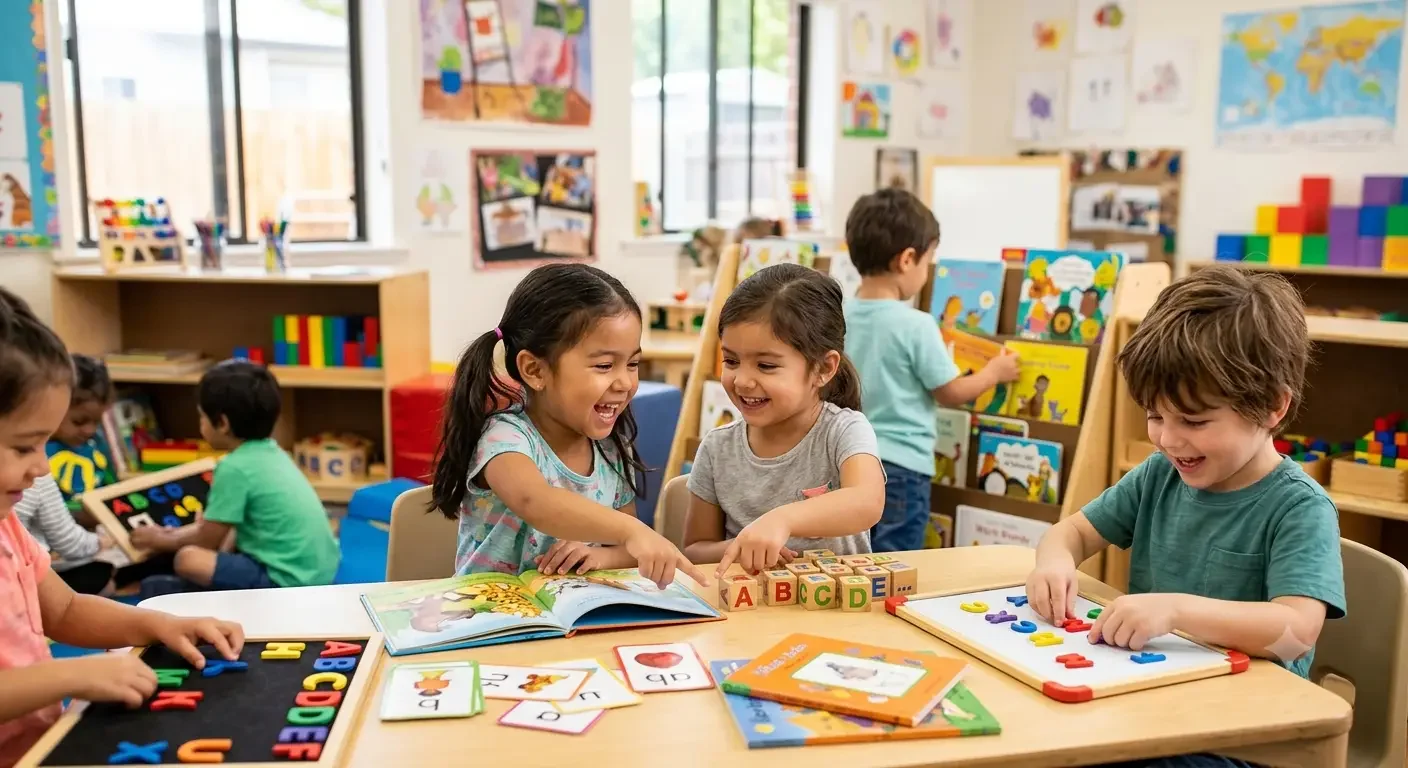
A child may know many words yet still struggle to read a school chapter smoothly, understand what they have read, or explain it in their own words. For parents, this can be confusing. Reading is not one single skill. It develops through several connected abilities, including phonemic awareness, phonics, vocabulary, fluency, and comprehension.
This is where a structured power reading program can make a real difference. Instead of simply asking a child to read more books, the right program identifies where reading is breaking down and gives the child guided practice at the right level.
What Is Power Reading Program?
The power reading program is a structured approach designed to help children become more confident, accurate, and independent readers. It may work on decoding, spelling, reading fluency, comprehension, vocabulary, and oral expression rather than treating reading as only a speed-based activity.
For a child who reads word by word, avoids books, guesses unfamiliar words, struggles with spelling, or cannot explain a passage after reading it, targeted support can be more useful than repeated instructions to “read more.”
How Can It Help Your Child?
1. Builds Stronger Reading Skills
Good reading starts with understanding how sounds and letters work together. Systematic practice with phonics and word reading can help children decode unfamiliar words instead of relying on guessing.
A well-planned program also develops fluency, vocabulary, and comprehension. When children spend less effort working out every word, they have more attention available for understanding the meaning of the text.
2. Improves Reading Confidence
Repeated difficulty can make children believe they are “bad at reading.” That feeling can lead to avoidance and frustration.
A supportive reading program gives children achievable tasks, suitable reading material, and opportunities to practise without embarrassment. Small improvements—reading a sentence more smoothly, spelling a difficult word correctly or answering a question independently—can gradually rebuild confidence.
3. Strengthens Reading Comprehension
Reading aloud correctly is only part of becoming a strong reader. Children also need to understand, remember, and discuss what they read.
Power reading may include questions, vocabulary practice, retelling, making connections, and locating information in a passage. These activities help children progress from reading words aloud to understanding the text.
4. Supports Children Who Struggle with Reading
Some children need more focused help because of persistent difficulties with decoding, fluency, spelling, or comprehension. The first step is to understand the specific area causing difficulty rather than assuming every struggling reader needs the same solution.
Individualised instruction and regular practice can make learning more manageable. Parents should also consider professional assessment when reading difficulties are significant or continue despite support.
5. Makes Parents Better Reading Partners
Parents often want to help but are unsure what to do beyond buying books or asking their child to practise. A good program can give parents practical strategies for creating a reading-friendly home, choosing suitable books, and supporting practice without turning every reading session into a battle.
Why Choose Power Reading Hub?
Power Reading Hub, founded by educator and remedial literacy specialist Supriya Raja, focuses on helping children strengthen reading, spelling, comprehension, syntax, and oral expression. Its approach comes from years of working directly with children who experience literacy challenges.
The Hub offers live remedial classes for children aged 8–11, along with a recorded home-support course for parents. This makes it possible to choose support according to the child’s needs and the family’s situation.
What Should Parents Look for in a Reading Program?
Before choosing a reading program for your child, ask a few practical questions:
- Does it identify the child’s specific reading difficulty?
- Does it teach reading skills systematically rather than relying on guessing?
- Does it work on both reading accuracy and comprehension?
- Does the child get regular opportunities to read aloud and practise?
- Are parents given clear strategies they can use at home?
- Is the teaching appropriate for the child’s current reading level?
A strong program should focus on progress, not comparison. Every child develops differently, and the goal is to help the child become a more capable, comfortable, and independent reader.
The aim is not extra homework but giving children the skills and encouragement they need to approach books with greater ease and independence over time and confidence.
Help Your Child Become a Confident Reader
If your child avoids reading, struggles to understand passages, reads very slowly or finds spelling unusually difficult, simply giving them more books may not solve the underlying problem. The right support can identify the gaps, build the necessary skills and make reading feel manageable again.
Power Reading Hub combines structured literacy support with practical guidance for parents. If you are looking for a reading program for children that goes beyond basic practice, exploring Power Reading Hub can be a useful next step.