Key Takeaways
- Pupils’ attainment in reading, writing and storytelling skills starts with phonics and vocabulary, not pressure.
- Playful methods of learning are used (games, song, role play) which increase the speed and retention of learning.
- Consistency is more important than intensity, 20 minutes per day is more effective than 2 hours per week.
- Use reading, questioning and encouragement of small successes with parents/teachers.
- Well-designed program that is structured and creative, meeting the needs of each child at their own speed.
A Literacy Program For Kids Matters
Children who show good ability to read by eight years of age will have better academic and emotional outcomes in life. Reading is not easy, and it’s not just something people do; it’s a series of skills. A Literacy Program For Kids with a structured approach provides them the tools to use (sounds, words, comprehension) as well as the joy of wanting to continue.
The Step-by-Step Plan for Fun & Effective Reading Classes
Step 1: Start With Phonics and Sounds
Children need to hear words before they can read them. Start by using letter sounds, rhymes and clapping syllables.
- Speak and sing alphabet sounds and words the actions represent.
- Say “I see something starting with /b/.”
- Flashcards with pictures not only letters.
Example: If a 5 year old is learning cat, they should first listen to c-a-t, then gradually fuse the sounds together, and then read cat.
Step 2: Everyday Vocabulary
Verbal sticking is better with real experiences.
- Label home objects (door, fridges, chair etc.).
- Discuss new words at the table or while strolling.
- Have a “word of the day” jar.
Step 3:Read Aloud — is Every Single Day
Reading aloud demonstrates for students fluency, expression and curiosity.
- Act the parts using emotion.
- Stopp and discuss: “What are you thinking?”
- Have children “read” pictures first, words second.
Step 4: Make It a Game
Children learn best while they are happy!
- Word hunt: See if you can find 5 words around the room that end in a “S”.
- Story dice: Create a story from pictures.
- Reading bingo: Make sure to cross out book categories that you attempt.
Step 5: Students will be encouraged to write along with reading
The relationship between reading and writing is enhanced.
- Give them the time to write down grocery lists or birthday cards.
- Begin a warming solitary log with 1 paragraph daily.
- Add pictures with text.
Step 6: Monitor Progress – Undisturbed
Utilize stickers, charts or a ‘reading passport.’ Reward completion of a book, not correct answers.
Some of the most common errors to avoid when using this guide
- Not allowing children to read at their own pace
- Correcting all the errors in a sentence
- Don’t compare siblings or classmates.
- There should not be homework for reading.
- Reading time to be set aside while children are able to read independently
For Parents and Teachers: Some tips that can be of help
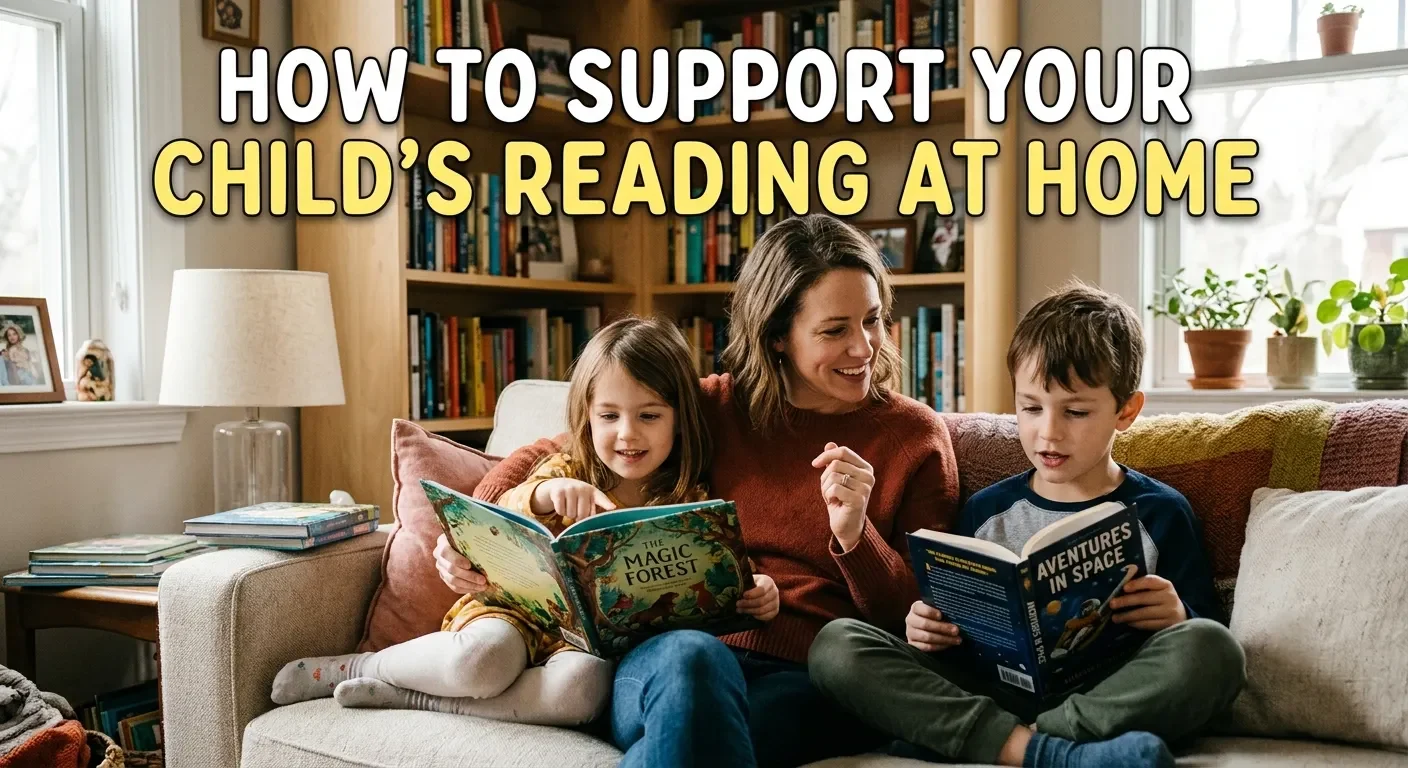
- 1. Set up a lazy reading area with comfortable lighting and cushions.
- 2. Monthly visits to libraries – allow children to choose their own books.
- 3. Variety of different formats: picture books, comic books, audio books, magazines.
- 4. Make questions:”Why?
- 5. Read and become a reader — Kids do as they see.
Quick Takeaway Recap
- Start with sounds, progress to words, and then on to stories.
- Make meetings short, daily and fun.
- Use writing, talking, real-life experiences with pair reading.
- Reward progress rather than a correct final result.
- The correct programme strikes a balance between structure and fun.
Conclusion
Confident reader is achieved by making learning to read fun for all children. The aim is not to get them through books but to fall in love with words. Through patience, creativity and guidance, reading can be a gift of a lifetime. A well designed Literacy Program For Kids from Supriya Raja combines effective strategies with a lot of fun, fostering happy, curious thinkers, dynamic speakers, enthusiastic readers. Begin small, be consistent and see your child’s whole world open up, story by story.