In today’s fast-paced digital world, it’s easy for children to get lost in screens, shortcuts, and constant noise. Between social media, gaming, and school pressures, many kids unknowingly lose touch with one of the most powerful sources of growth—reading. Yet, what most parents don’t realize is that beyond improving vocabulary or academic grades, reading plays a deep emotional role in shaping a child’s confidence and self-worth.
Confidence isn’t something children are born with; it’s something they build—word by word, experience by experience. And reading is one of the simplest yet most profound ways to nurture that growth.
The Emotional Magic of Reading
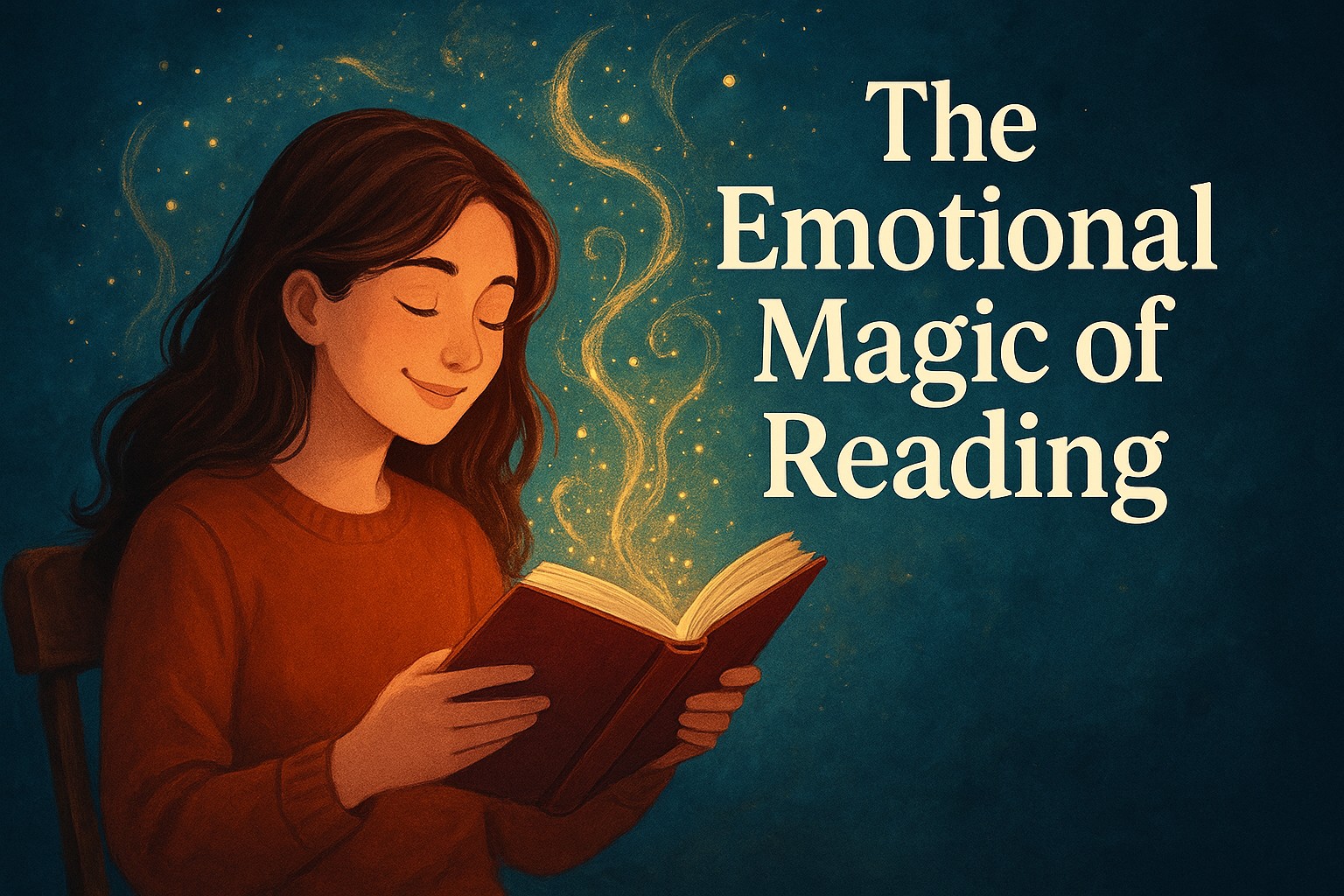
When a child opens a book, they step into another world. They meet characters who face fears, make mistakes, and find courage to rise again. These stories quietly teach lessons that no lecture can. When children read about bravery, kindness, or resilience, they start believing that those same qualities exist within them too.
Think about it—when a young reader finishes a chapter on their own or understands a new concept, that moment sparks pride. It’s a small victory, but these small wins build emotional strength. Over time, that sense of “I can do it” becomes the foundation of self-confidence.
At Power Reading Hub, this belief drives everything we do. We don’t just teach kids to read; we help them feel confident about reading. Our approach focuses on nurturing both comprehension and character—so every reading session becomes a moment of discovery, not pressure.
How Reading Shapes a Child’s Identity
Every story a child reads becomes a mirror and a window. It’s a mirror when they see a character who feels just like them—shy, curious, or unsure. It’s a window when they explore experiences far beyond their own.
This combination helps children understand the world and, most importantly, understand themselves. When kids start recognizing emotions, handling conflicts, and celebrating differences through stories, they naturally develop empathy and emotional intelligence. These are the building blocks of a strong, grounded personality.
Parents often notice subtle changes: a child who once hesitated to speak starts expressing ideas clearly, or one who doubted their ability begins to take initiative. That’s the quiet power of reading—confidence blooming in the background.
Building a Daily Reading Ritual
Confidence doesn’t grow overnight; it’s a habit that forms through consistency. That’s why creating a daily reading ritual matters more than the number of books your child reads.
Start small. Set aside 15–20 minutes every day for reading—preferably at a calm, distraction-free time like after dinner or before bed. Let your child choose the books. When they read what genuinely interests them, the experience feels personal, not forced.
At Power Reading Hub, we often encourage families to make reading a shared activity. Sit together, read aloud, discuss the story, and ask open-ended questions like, “What would you do if you were that character?” These small conversations not only improve comprehension but also strengthen your emotional connection with your child.
When reading becomes a daily ritual instead of a random activity, children begin to see it as their time. That ownership fosters both discipline and pride.
From Reading to Real-Life Confidence
Confidence gained from reading doesn’t stay within the pages—it spills into real life. Kids who read regularly tend to speak more clearly, think more logically, and express their emotions better. They handle challenges with maturity because they’ve already witnessed countless ways characters overcame theirs.
Moreover, reading teaches patience—a rare trait in today’s instant world. It reminds kids that understanding takes time, and every page turned is progress. This mindset naturally shapes their approach to learning, communication, and even relationships.
That’s why the Power Reading Hub program blends storytelling, comprehension, and interactive exercises to transform reading into a skill for life. Each session is designed to make children fall in love with words—not just to read better but to become better versions of themselves.
Parents as Reading Role Models
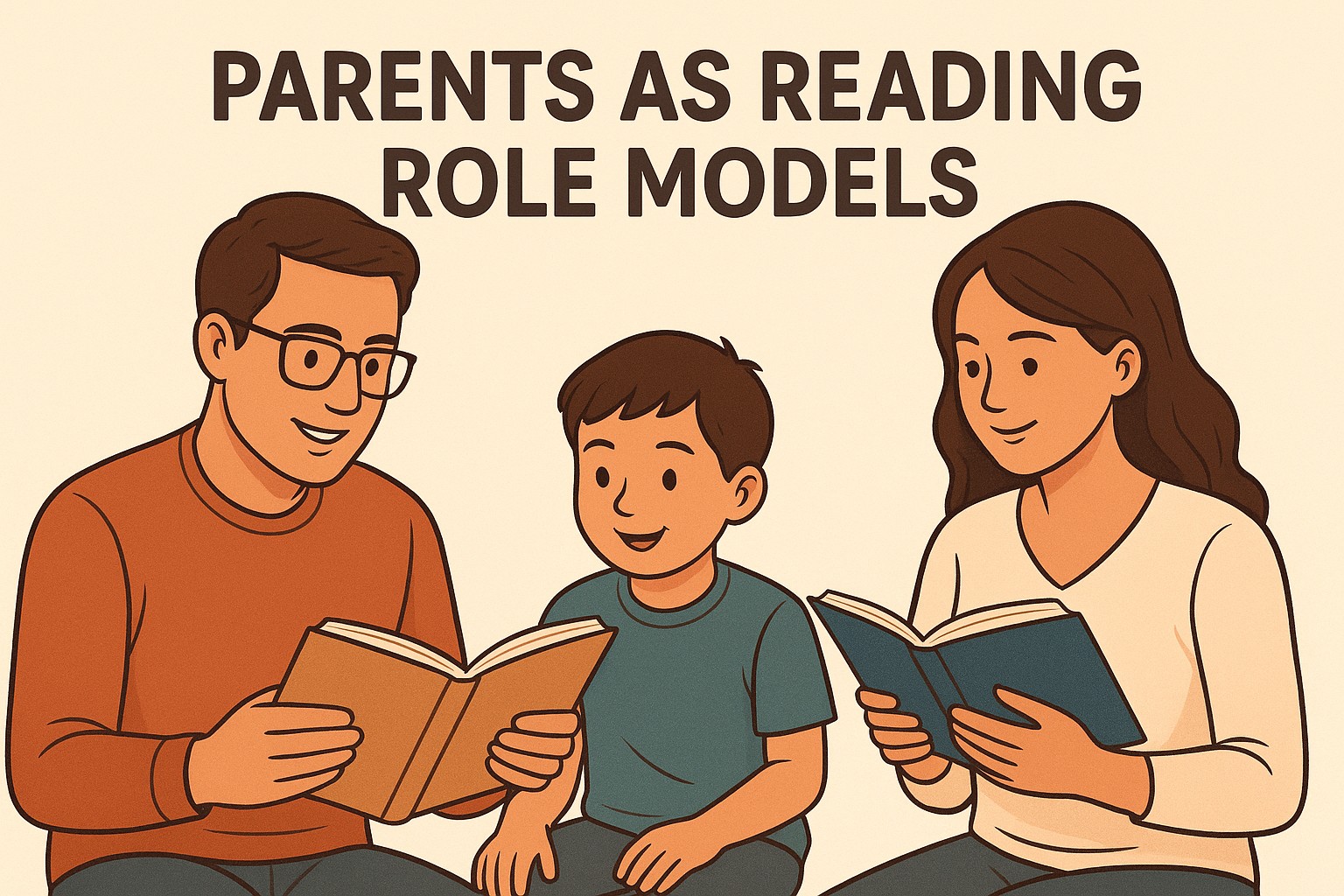
Children don’t follow advice; they follow examples. When they see parents reading or discussing books, it sends a silent message—reading is valuable. You don’t need to be a literature expert. Even sharing short stories, newspaper articles, or poetry can spark curiosity.
Create a cozy reading corner at home with good lighting, colorful books, and a comfortable chair. The more inviting the environment, the easier it is for kids to associate reading with comfort and joy rather than duty.
Parents who invest in building this habit aren’t just raising readers—they’re raising thinkers, dreamers, and confident individuals who believe in their voice.
Final Thoughts
Confidence begins with a belief in one’s own voice, and reading helps children find that voice. It teaches them that they’re capable of understanding, imagining, and expressing ideas. Every book read becomes a quiet lesson in courage, empathy, and self-worth.
At Power Reading Hub, we stand by one simple truth: when a child learns to read with confidence, they learn to believe in themselves. And that belief is the greatest gift any parent can give.
So, the next time you pick a storybook, remember—it’s not just about words on a page. It’s about raising a child who feels seen, valued, and ready to take on the world, one story at a time.