Every parent dreams of watching their child excel in studies, read confidently, and score brilliantly in board exams. But what if your child is constantly struggling to read or understand even simple lessons? It’s heartbreaking, right? Many parents think it’s about laziness or distraction—but often, the problem goes much deeper.
In today’s fast-paced education system, reading is the foundation of learning. Whether it’s solving complex questions, understanding lengthy paragraphs, or writing answers with clarity, everything begins with the ability to read well. When a child falls behind in reading, it silently affects every subject—from English and Science to even Mathematics.
Let’s understand why children struggle with reading, and more importantly, how you can help them overcome it before the crucial board exams—with the right expert guidance.
1. The Hidden Causes Behind Reading Difficulties
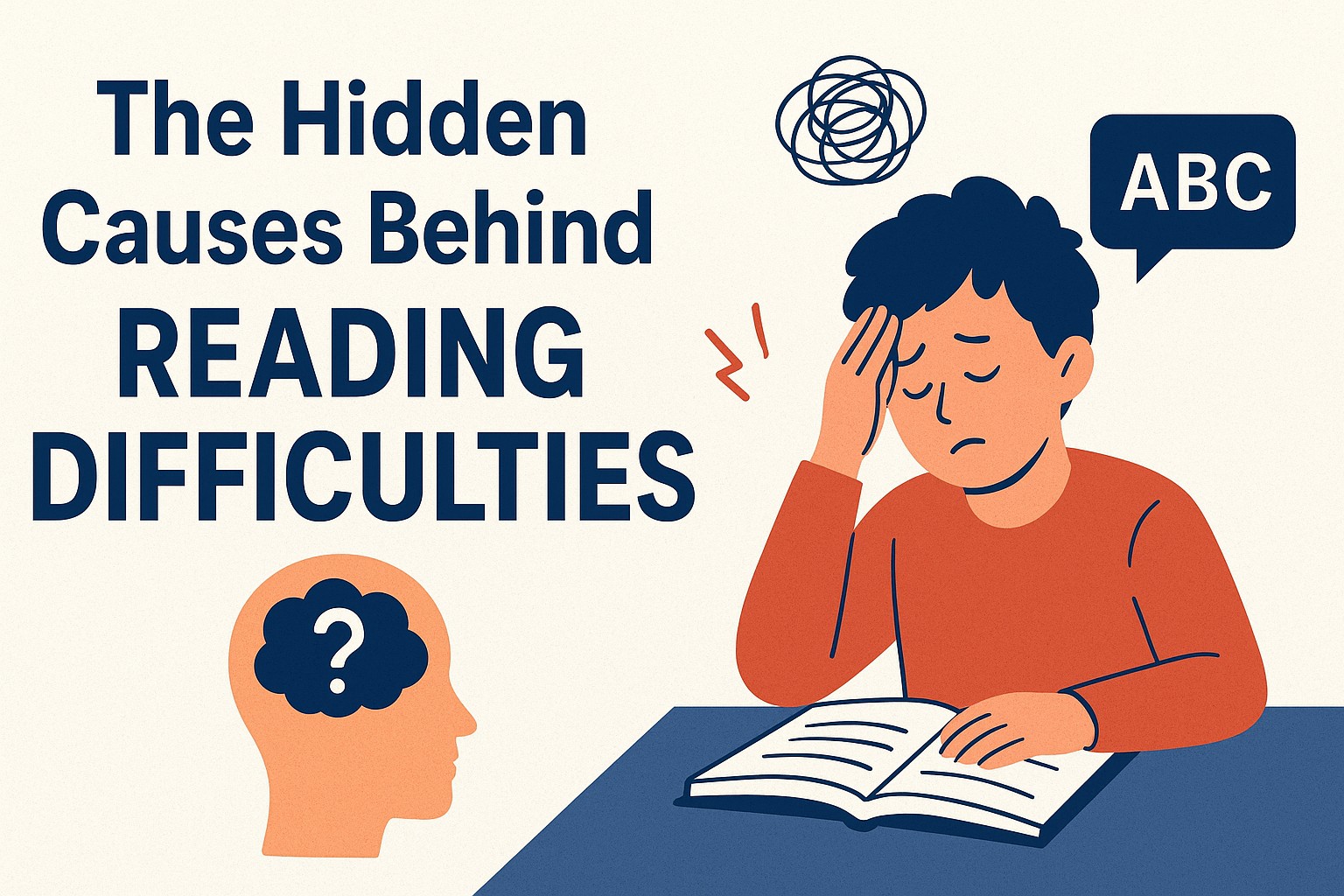
Most students who face reading challenges aren’t “weak” or “lazy.” The real reasons are often hidden.
Here are some of the most common causes:
- Lack of Reading Foundation in Early Years:
Many kids memorize words without truly understanding them. When the basics of phonics, vocabulary, or comprehension are skipped, reading becomes a daily battle. - Poor Concentration and Study Habits:
In a digital world filled with screens, kids find it hard to focus on long texts. Their attention spans shrink, making reading seem tiring or boring. - Anxiety or Low Confidence:
If a child has been scolded or compared to others, they may develop reading anxiety. This fear creates a mental block, stopping them from improving even when they try. - Lack of Personal Guidance:
Traditional tuition classes often focus only on syllabus completion. What a child actually needs is individual attention—someone who understands their pace, mindset, and emotional needs.
2. Why It’s Crucial to Address This Before Board Exams
Board exams are not just tests—they are milestones that shape a child’s confidence and academic future.
If your child struggles with reading now, subjects like English Literature, Social Science, or even long-worded Math questions can feel like a mountain.
By the time the exam arrives, poor reading skills can lead to:
- Incomplete answers (because they misread the question)
- Weak comprehension (especially in unseen passages)
- Lower writing quality and grammar issues
- Exam stress and lack of self-belief
That’s why the right intervention before board exams can make all the difference. The goal isn’t to push harder—but to help smarter.
3. The Right Approach to Fix Reading Struggles
This is where Supriya Raja’s personalized learning approach stands out—a method that’s transforming how children learn, read, and perform in exams.
Supriya Raja believes that every child learns differently. Her programs are designed not just to teach reading but to build comprehension of content, effective spelling, and strong study strategies that lead to genuine understanding.
Here’s how her process helps:
- Customized Learning Plans: Each child’s strengths and weaknesses are analyzed first. Lessons are then designed to fill exact gaps—no one-size-fits-all teaching.
- Phonics and Vocabulary Enhancement: Kids learn how words sound and connect, improving both speed and understanding.
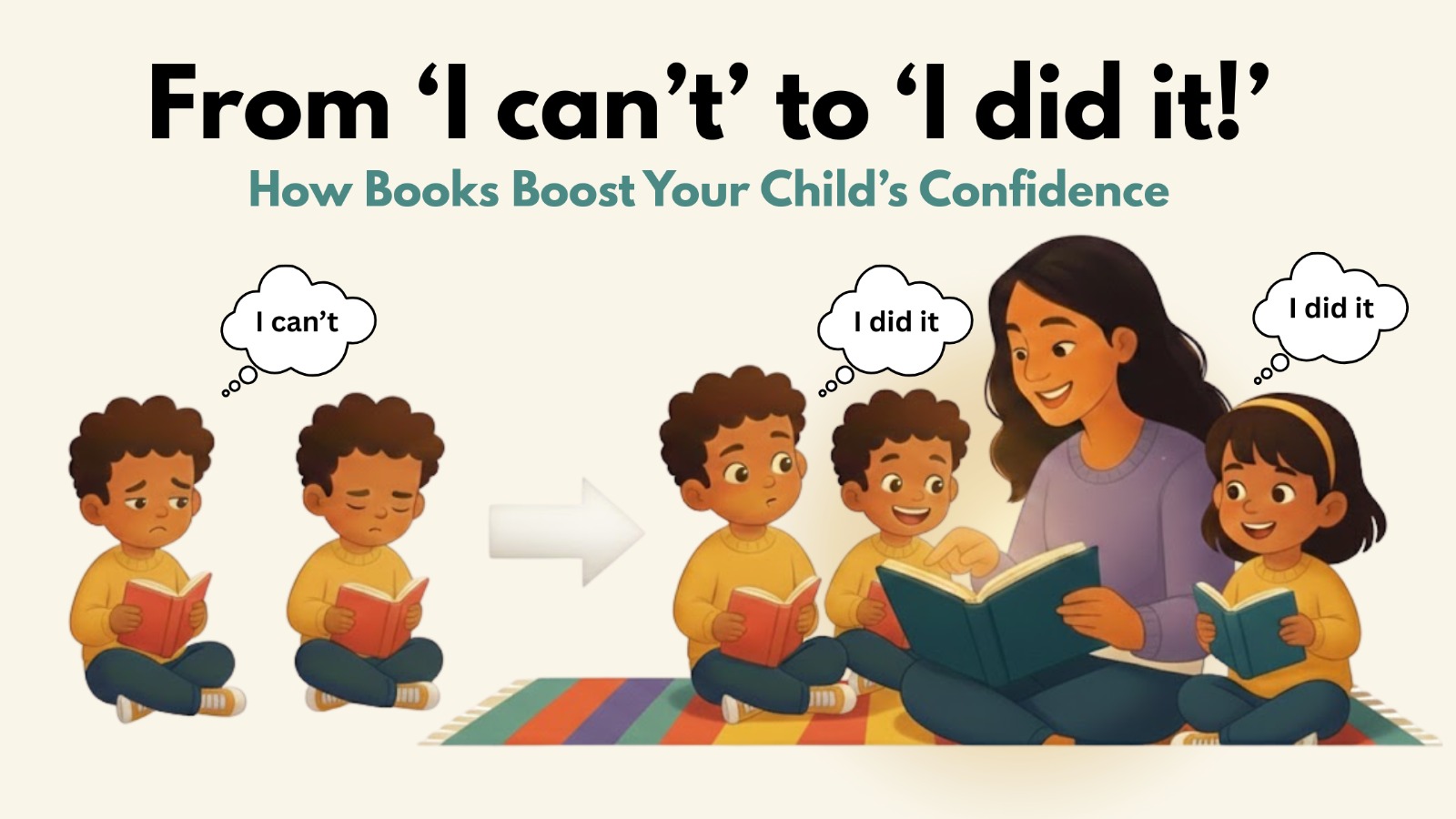
- Confidence Building Exercises: Reading aloud, guided discussions, and positive reinforcement help children overcome fear.
- Skill Development for Study Success: Instead of revising the syllabus, Supriya focuses on improving the skills that make learning easier—like how to comprehend content, study strategically, and retain information effectively.
Parents who’ve enrolled their children with Supriya Raja’s Reading and Learning Skill Development Program have seen remarkable results within weeks—improved reading fluency, better comprehension, and a visible boost in confidence.
4. Building a Strong Reading Habit at Home

Parents also play a huge role. Here are a few steps you can take at home:
- Set aside 20 minutes daily for reading aloud together.
- Choose books your child actually enjoys, not just textbooks.
- Avoid criticism—appreciate effort over perfection.
- Discuss what they read; this improves comprehension naturally.
- Keep gadgets away during reading time for better focus.
Remember, children mirror energy. If you show excitement for reading, they will too.
5. The Bottom Line
If your child struggles with reading, it doesn’t mean they’re not intelligent—it simply means they need a more personalized approach. The earlier you identify and act, the faster the improvement.
Supriya Raja’s programs have helped more than 700 children strengthen their reading, spelling, and comprehension skills—helping them walk into their board exams with clarity, confidence, and calmness.
Because at the end of the day, it’s not just about passing exams—it’s about nurturing a love for learning that lasts a lifetime.
So before the next report card or board test, take that first step. Understand where your child is struggling—and let experts like Supriya Raja help unlock their full potential.