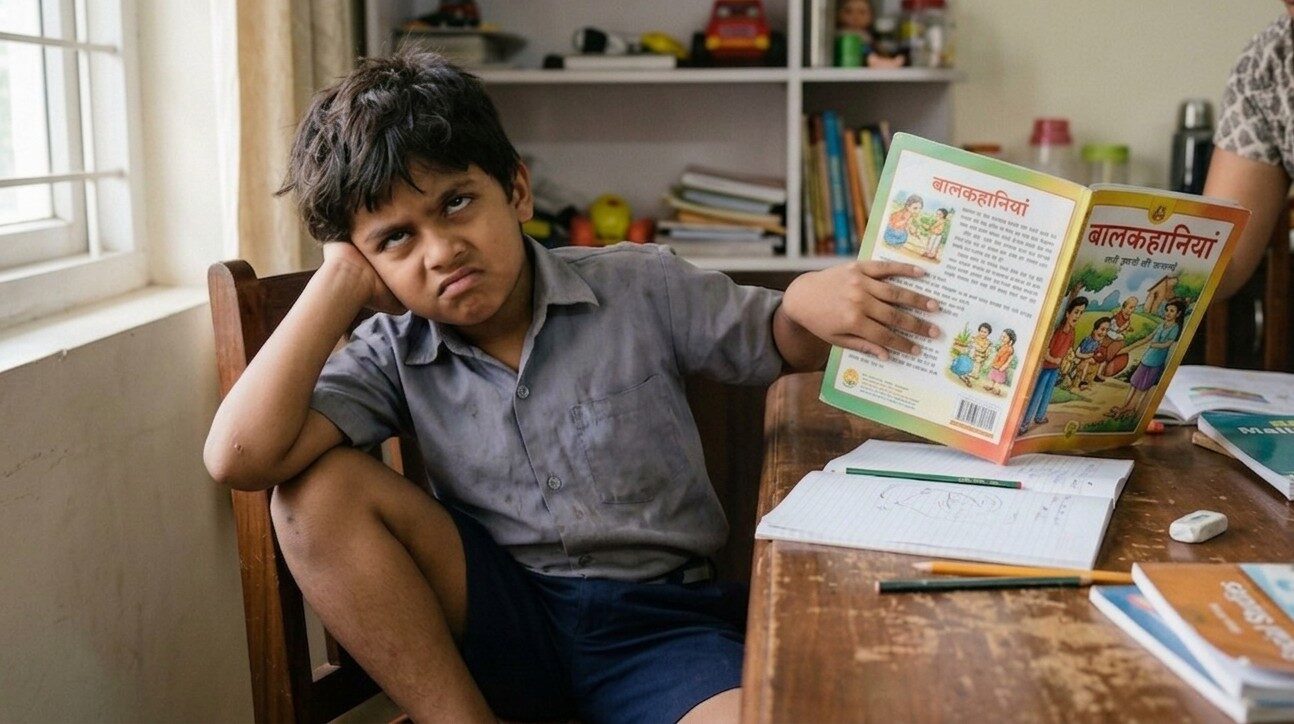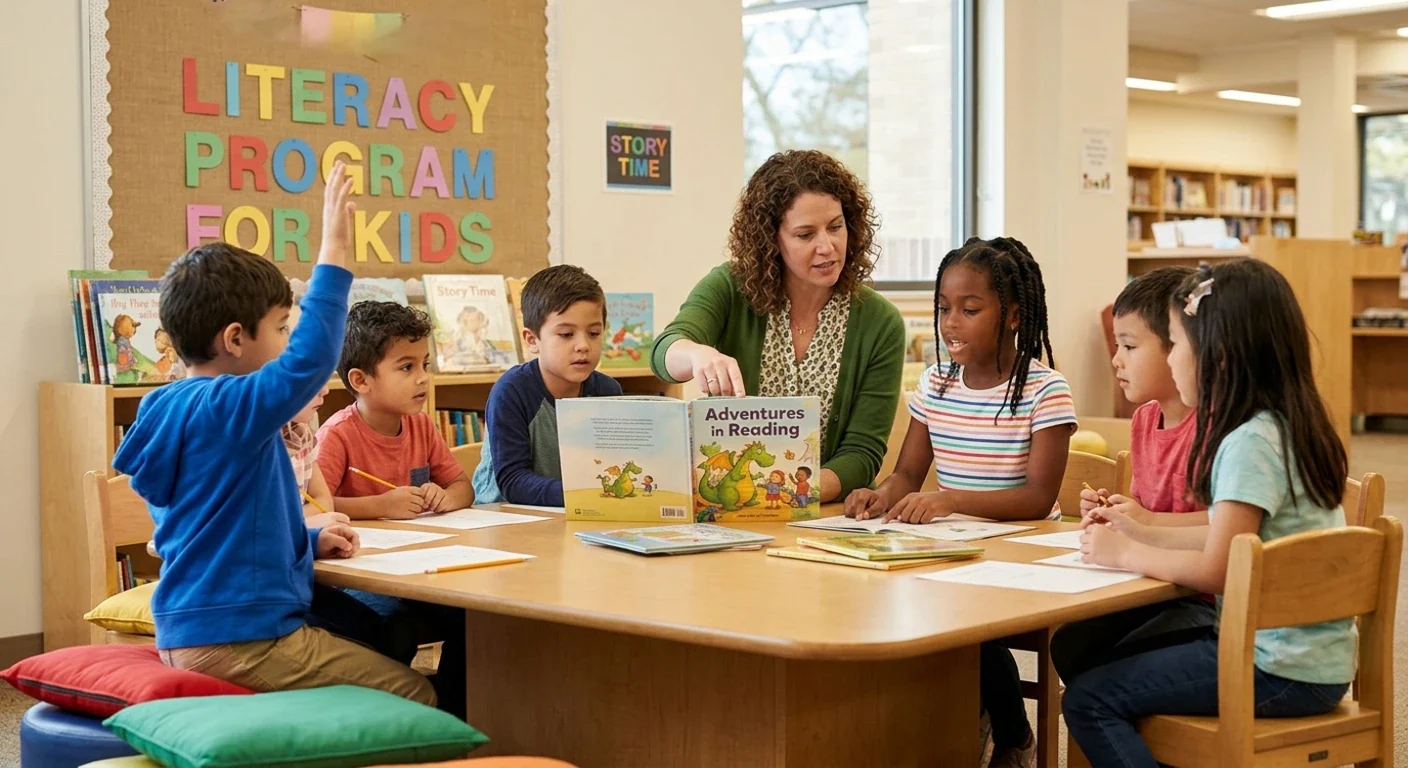
Children don’t always know how to say what they feel — sometimes, their emotions explode instead. A slammed door, a raised voice, or an unexpected outburst often hides something deeper than just “bad behavior.” For parents and teachers, these moments can feel frustrating, even exhausting. But what if we told you that stories — yes, simple, heartfelt stories — can gently guide children from anger to understanding, from tantrums to teamwork?
It’s not about lecturing or disciplining; it’s about connection. Stories have an incredible way of reaching where words often fail. When a child listens to a story, they don’t feel targeted or judged. Instead, they see themselves in the character — they feel understood. That’s where the transformation begins.
Why Aggression Isn’t Always What It Seems
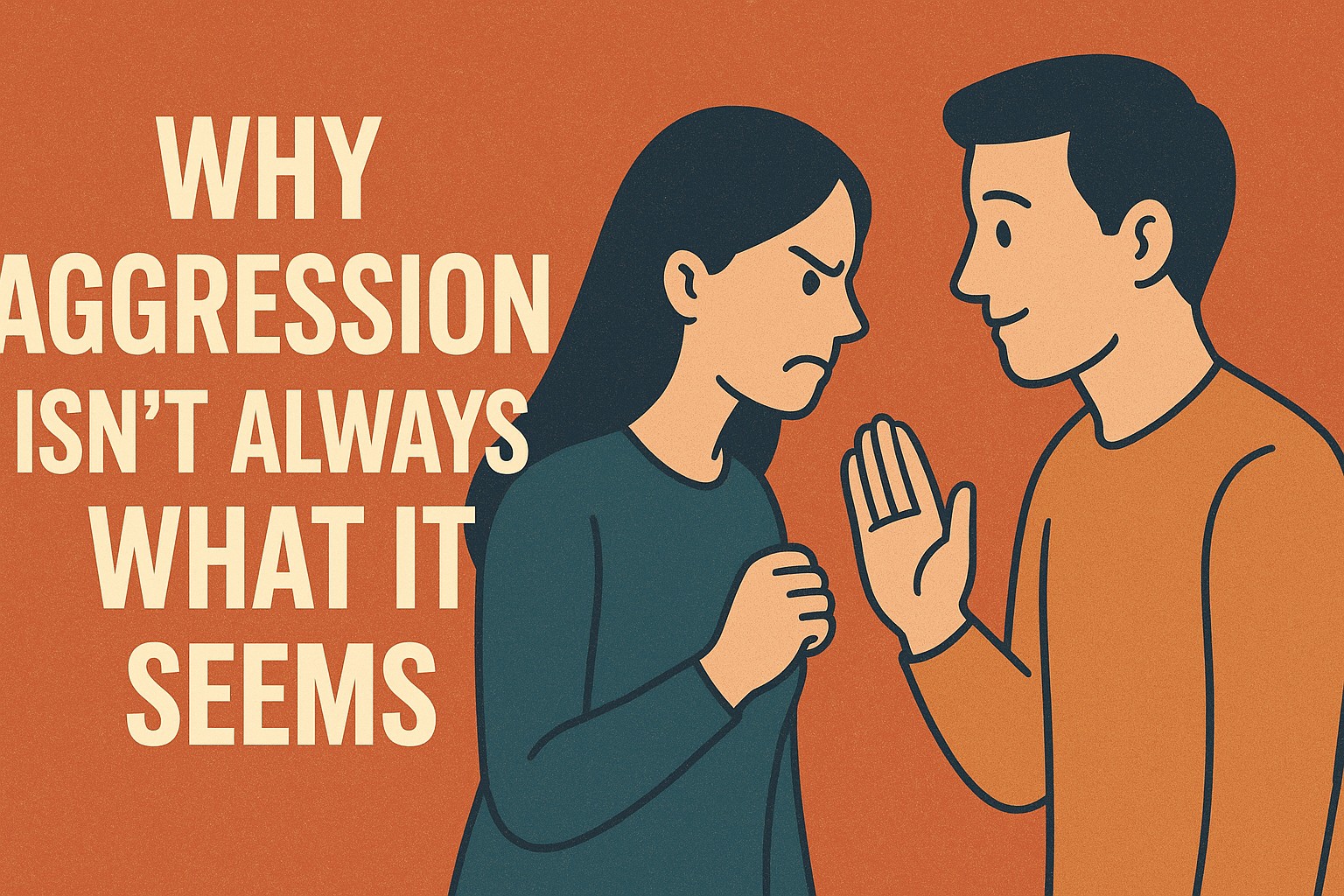
Aggressive behavior in kids doesn’t appear out of nowhere. It’s often a reaction — to fear, confusion, lack of control, or even unspoken pain. A child might not have the words to say, “I’m scared,” or “I feel left out.” So they shout, hit, or cry instead.
Adults may rush to correct the behavior, but that only scratches the surface. What truly helps is giving the child a safe way to express what’s inside them — and that’s where storytelling plays a magical role.
How Stories Build Emotional Bridges
When you read a story about a character who gets angry and learns to calm down, the child begins to reflect. They might think, “Hey, that’s like me.” Without realizing it, they start internalizing empathy, patience, and cooperation.
Through stories, children learn that it’s okay to have big emotions — but it’s also okay to handle them differently. They begin to understand teamwork, problem-solving, and how to see situations from another’s point of view.
Stories don’t just teach morals; they mirror feelings. And when a child feels seen, they don’t need to shout to be heard.
The Storytelling Method That Works
The real art lies in choosing the right kind of stories. They need to be engaging, relatable, and layered with emotion — not preachy. For instance, instead of telling a child “Don’t fight with your friend,” you tell a story about two characters who misunderstood each other and found a creative way to make peace.
The narrative should be simple but emotionally rich. The goal is to let children discover the lesson rather than be told. This active realization is what leads to long-term behavioral change.
Where Power Read Hub Makes the Difference
This is exactly what Power Read Hub does so beautifully. It’s not just another reading platform — it’s a space that turns storytelling into emotional learning. Each story is designed to spark empathy, boost imagination, and strengthen communication skills.
At Power Read Hub, stories aren’t random tales; they’re carefully curated experiences that help children recognize emotions, navigate conflicts, and learn the power of kindness and teamwork.
Parents and educators love how effortlessly kids connect with the characters — and without even realizing it, their behavior begins to shift. The tantrums reduce, cooperation increases, and confidence grows.
In a world filled with screens and distractions, Power Read Hub brings children back to the gentle rhythm of reading — a rhythm that soothes, teaches, and transforms.
The Ripple Effect of Story-Based Learning
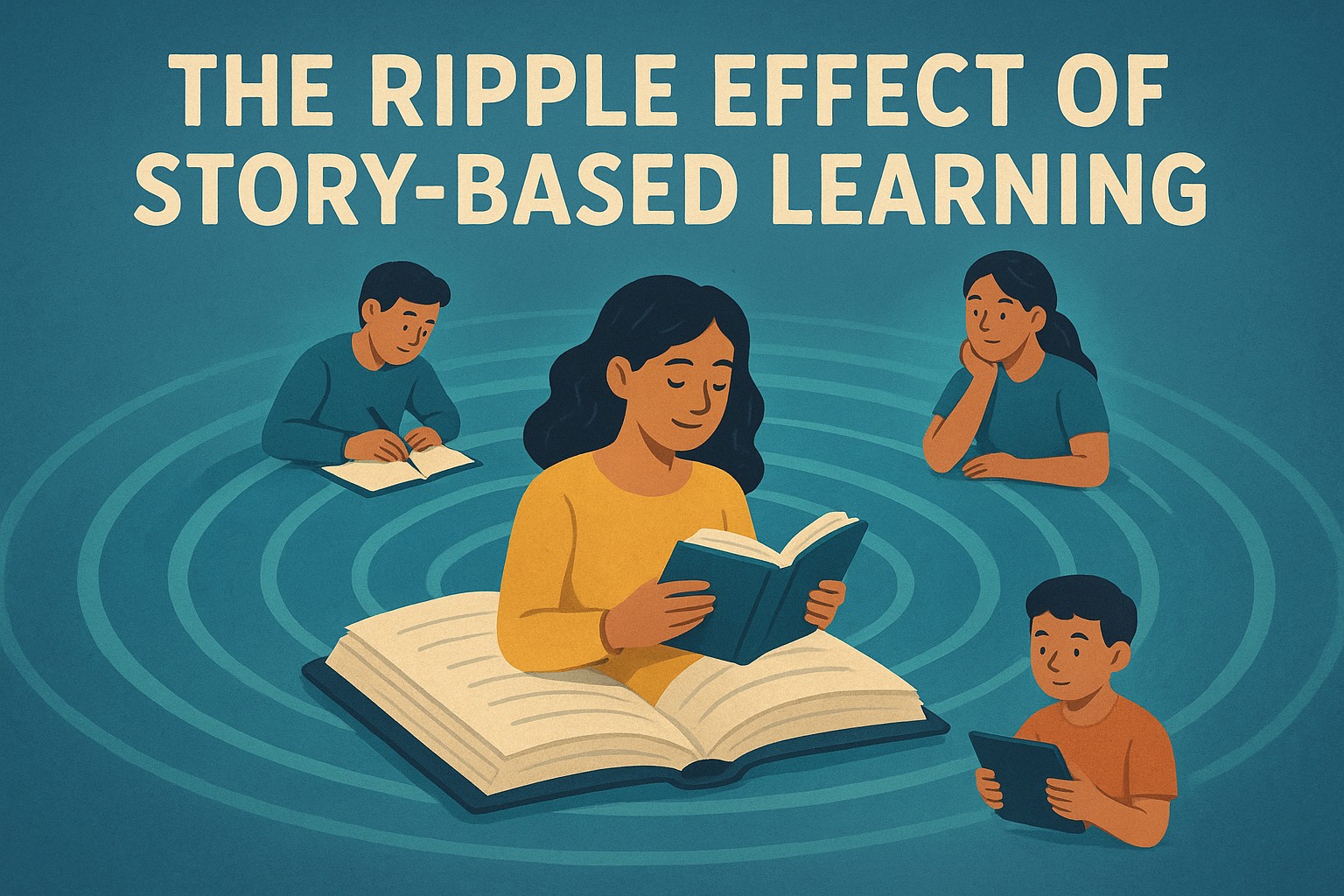
Once a child begins to understand emotions through stories, the impact goes far beyond behavior. They start listening more, communicating better, and developing emotional intelligence — a skill that will help them throughout life.
They learn that every conflict has two sides, that teamwork brings joy, and that kindness doesn’t make them weak — it makes them strong.
And when this understanding begins early, it doesn’t just transform individuals; it builds a culture of empathy. Classrooms become calmer, homes more harmonious, and friendships deeper.
Final Thoughts
Tantrums and aggression aren’t signs of a “bad child.” They’re cries for understanding. And sometimes, all it takes is the right story to turn that frustration into awareness.
When we read with children — not just to them — we open doors to their emotions. We help them see themselves differently.
So, if you’re ready to move beyond scolding and into storytelling — to replace chaos with calm and conflict with connection — explore Power Read Hub.
Because every story has the power to change a child. And sometimes, that one story can change everything.