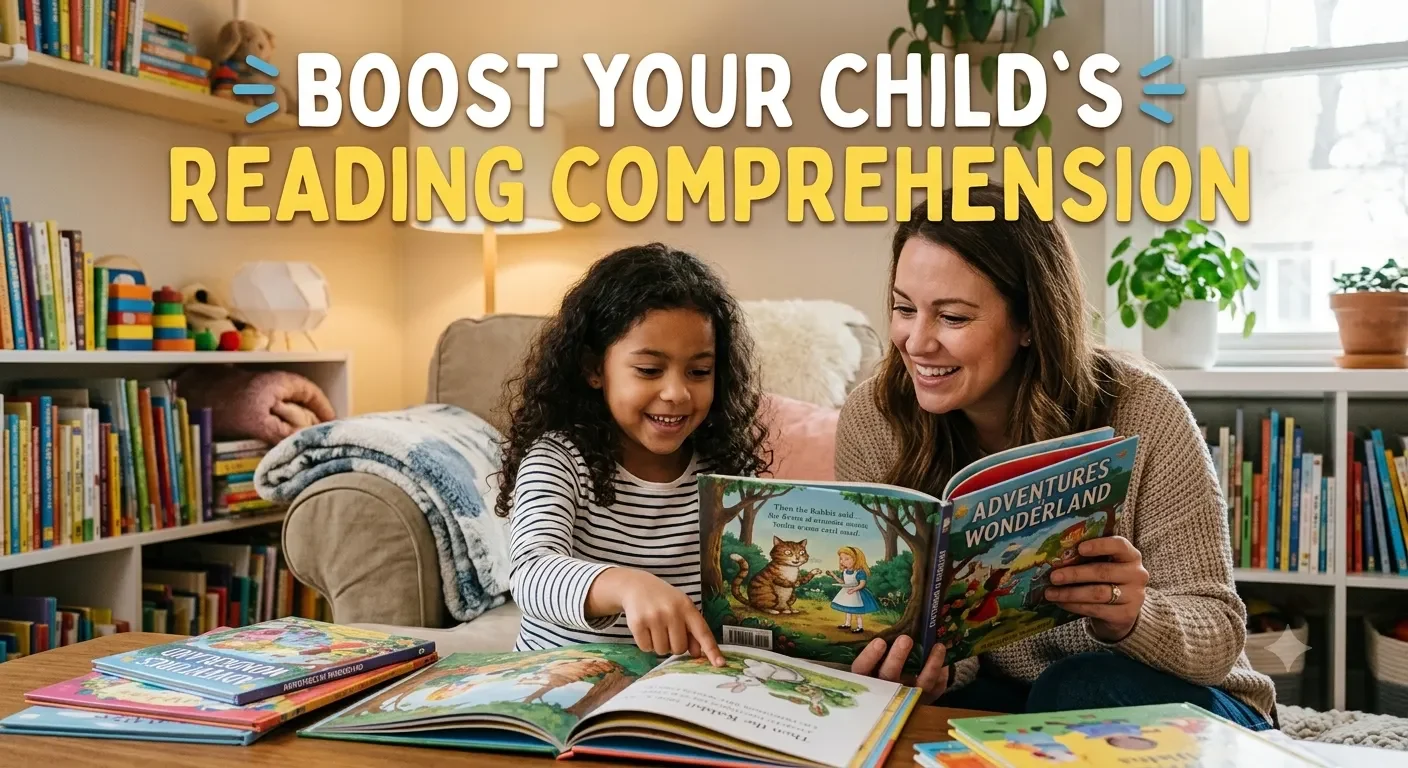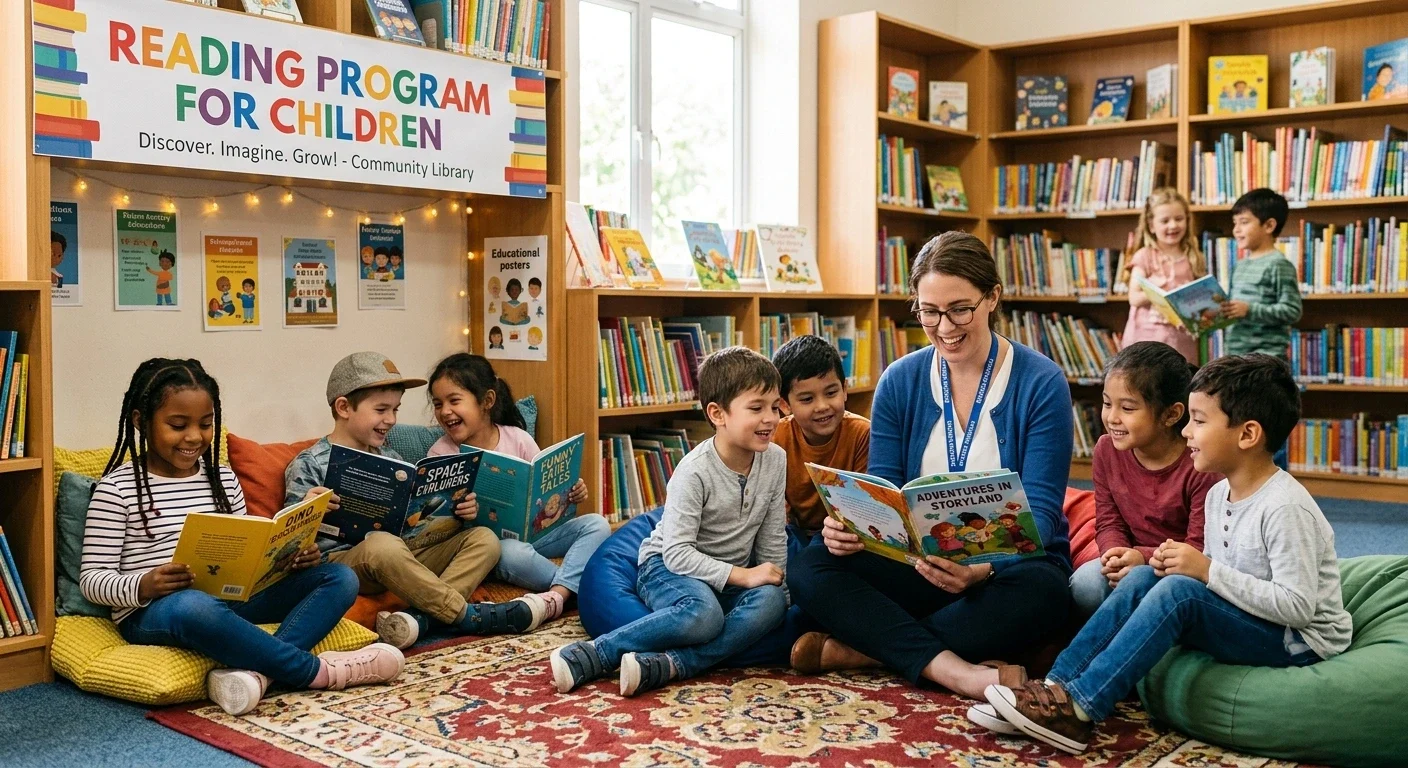
Reading Comprehension For Kids by Supriya Raja is a brand dedicated to transforming how young learners interact with text. Moving beyond simple decoding, the program focuses on helping children truly understand, analyse, and enjoy what they read. By integrating proven literacy strategies with engaging activities, Supriya Raja’s approach builds critical thinking skills, expands vocabulary, and fosters a lifelong love of reading in children from elementary through middle school. The methodology empowers parents and educators with the tools to make reading an active, meaningful, and joyful experience.
Unlocking the Story: Building Strong Reading Comprehension at Home with Supriya Raja
For many parents, the goal of raising a reader is about more than just getting their child to recognize words on a page. The true magic of reading happens when a child connects with a story, questions a character’s motives, or gets lost in a world built by sentences. This is the essence of reading comprehension, and it is the cornerstone of the educational philosophy behind Supriya Raja.
Reading comprehension is not a test it’s a conversation between the reader and the text, says Supriya Raja, whose programs for kids focus on moving beyond simple memorization to foster true understanding. Whether your child is an avid bookworm or a reluctant reader, building comprehension skills can open doors to academic success and personal joy.
Here’s how you can use Supriya Raja’s principles to strengthen these skills at home.
The Foundation: It Starts with a Chat
Experts suggest that the best way to develop comprehension is to be an active part of the reading experience . The Supriya Raja method encourages parents to think of reading time as a three-act play: the Before, the During, and the After.
- Before Reading (The Warm-Up): Just as an athlete warms up, a reader needs to prime their brain. Ask your child, What do you already know about this topic? or What do you think will happen in this story based on the cover? This activates prior knowledge and builds curiosity .
- During Reading (The Check-In): For younger readers, point out structural features like chapter headings or captions in a book. If they get stuck on a word, encourage them to skip it and use the rest of the sentence to figure out its meaning. This builds confidence and avoids interrupting the flow of the story .
- After Reading (The Debrief): This is where deep learning happens. Instead of simply asking Did you like it? What was the major theme of the book? or How was this different from what we read last time? According to experts, the quality of questions a child asks after reading can tell you just as much about their understanding as the answers they give .
Making It Stick: The 10-Minute Habit
One of the core tenets of the Supriya Raja approach is consistency over duration. You don’t need hours to make an impact; research shows that just 10 minutes of focused reading practice each day can lead to measurable gains in fluency and comprehension .
Consider this simple routine:
- Warm-Up Discussion (3 minutes): Talk about what you read yesterday or what you see in the pictures.
- Guided Reading (5 minutes): Take turns reading aloud. Model fluent reading by using different voices for characters and pausing at punctuation .
- Reflection and Vocabulary (2 minutes): Pick one or two new words from the passage. Discuss what they mean and try to use them in a sentence about your day .
Creative Strategies for Deeper Understanding
To prevent reading from becoming a chore, the Reading Comprehension For Kids brand heavily incorporates creative and interactive activities.
- Become a Detective: Turn reading into a story scavenger hunt where kids search for specific themes, characters, or words .
- Visualize the Text: Encourage children to create pictures in their heads of the descriptions from the story. For a hands-on activity, have them draw a comic strip summarizing what they just read .
- Teach Back: Ask your child to explain what they just read as if they were teaching it to someone else. Teaching demands mastery and forces a deeper reflection on the material .
- Use Graphic Organizers: Help your child keep track of plot points or compare characters using simple charts or diagrams. This is a powerful tool for visual learners .
The Bottom Line
Building a strong reader isn’t about pushing them to finish books. It’s about helping them live inside them. By using the strategies championed by Supriya Raja active discussion, daily habits, and creative engagement you can help your child build the skills they need to become a confident, capable, and enthusiastic reader for life.