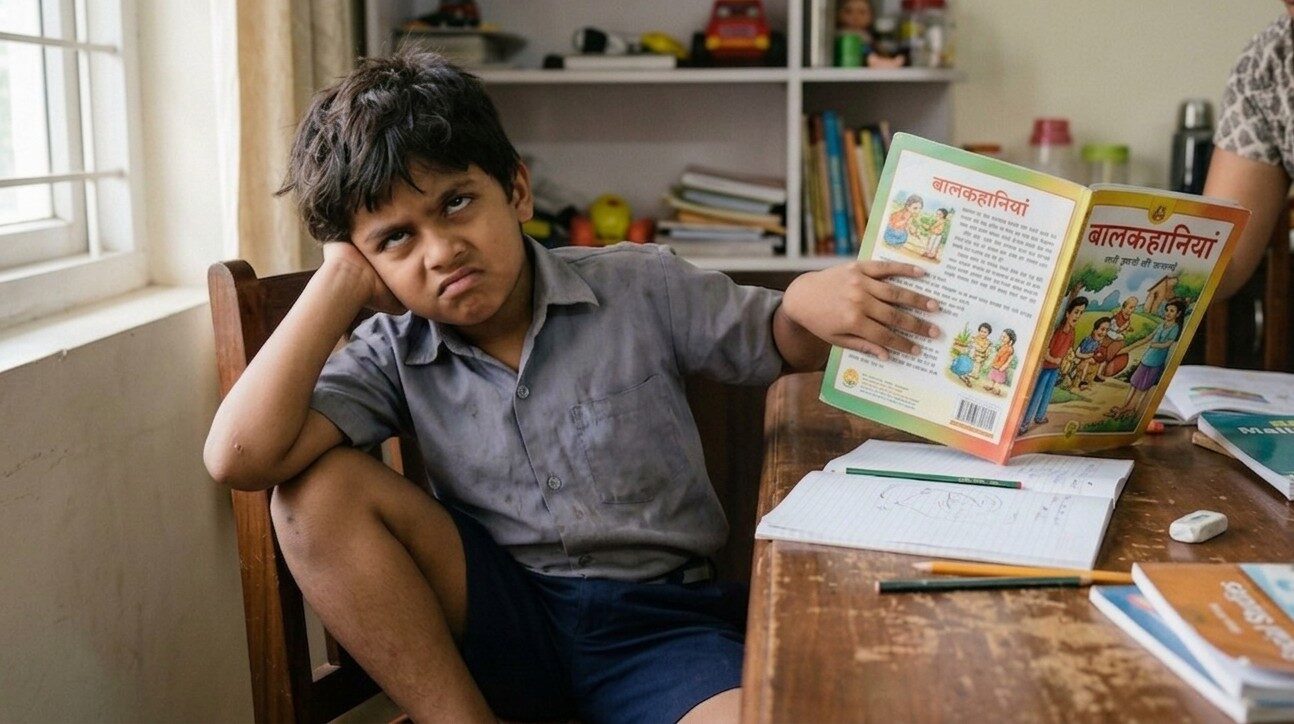
Many parents notice the same frustrating pattern. Their child learns a spelling word, writes it correctly during practice, and seems to remember it. A few days later, the same word appears incorrectly in homework, school assignments, or a written sentence. Despite repeated corrections, the mistake keeps coming back.
If you have ever wondered, “Why does my child keep making the same spelling mistakes even after practising?” you are not alone. Repeated spelling errors are not always a sign of carelessness, a lack of effort, or poor concentration. Sometimes, a child needs help understanding how words work, remembering letter patterns, or connecting sounds with written letters.
Understanding the reason behind these mistakes is the first step towards helping your child become a more confident writer.
Why Does My Child Keep Making the Same Spelling Mistakes?
Children do not learn spelling simply by looking at a word several times or copying it repeatedly. They need to recognize its sounds, understand how those sounds connect to letters, remember spelling patterns, and retrieve the correct spelling when writing independently.
When one of these skills is not fully developed, children may continue making similar mistakes even after being corrected.
For example, a child may write “sed” instead of “said,” “nite” instead of “night,” or “frend” instead of “friend.” They may understand the meaning of the word and use it correctly while speaking, yet struggle to write it accurately.
This happens because knowing a word and being able to spell it from memory are two different skills. A child may recognize a word while reading but find it difficult to recall its correct spelling when writing.
6 Reasons Your Child May Keep Repeating Spelling Errors
1. Difficulty Connecting Sounds with Letters
Spelling requires children to hear the individual sounds in a word and identify the letters that represent those sounds. If a child finds it difficult to break words into smaller sounds, they may leave out letters, add incorrect letters, or arrange them in the wrong order.
For instance, when spelling “jumping,” a child needs to recognize the sounds, understand the word’s structure, and put the letters together correctly.
Without a strong understanding of letter-sound relationships, spelling becomes guesswork rather than a skill the child can apply independently.
2. Weak Spelling Memory
Some children can spell a word correctly during practice but cannot remember it later. They may need to see the word repeatedly before its correct letter pattern becomes familiar.
This is particularly noticeable with words such as because, beautiful, enough, and different. Children may remember how these words sound but forget which letters appear in them.
When spelling patterns are not firmly remembered, the child may keep returning to the same incorrect version.
3. Reading Difficulties Affecting Spelling
Reading and spelling are closely connected. Children who struggle to recognize words, understand letter patterns, or read fluently may also find spelling difficult.
Regular reading exposes children to the way words are written. However, simply reading more may not solve every spelling problem. Some children need direct instruction to understand letter combinations, word endings, and spelling patterns.
When reading and spelling difficulties appear together, it is worth looking at both skills rather than treating spelling as an isolated problem.
4. Memorizing Words Without Understanding Patterns
A common approach to spelling practice is asking children to memorize a list of words before a test. While this can help in the short term, it does not always teach them how to spell unfamiliar words.
For example, learning playing, staying, and saying as separate words is less useful than noticing the common -aying pattern.
Children who understand spelling patterns can use what they have learned in other words. Without this understanding, they may remember words for a test and forget them soon afterwards.
5. Difficulty Remembering Words While Writing
Writing involves several tasks at once. Children need to think about their ideas, form sentences, choose vocabulary, remember punctuation, and write words correctly.
When they concentrate heavily on expressing their thoughts, spelling may become less accurate. A child who can spell a word during a quiet practice session may make the same mistake while writing a paragraph.
This is why spelling errors may increase during longer assignments, even when the child knows the correct spelling.
6. Learning Difficulties That Need Additional Support
Persistent spelling problems can sometimes be associated with dyslexia or other learning difficulties involving language processing, phonological awareness, or written language skills.
However, repeated spelling mistakes alone do not mean a child has dyslexia. Children develop at different rates, and spelling difficulties can have several causes.
If mistakes continue over time, affect schoolwork, or cause your child to avoid reading and writing, speak with their teacher and consider an appropriate learning assessment.
Signs Your Child May Need Help with Spelling
Pay attention to patterns rather than focusing on one incorrect word. Your child may need additional support if they:
- Keep misspelling familiar words despite repeated practice.
- Leave out letters or syllables when writing.
- Spell the same word differently within one piece of writing.
- Struggle to remember spelling rules they have already learned.
- Avoid writing longer sentences because spelling feels difficult.
- Feel embarrassed, frustrated, or lose confidence in schoolwork.
- Find reading, spelling, and written comprehension difficult at the same time.
These signs do not automatically indicate a learning disorder, but they can help parents identify where their child may need more guidance.
How Can Parents Help a Child Improve Spelling?
The right support begins with understanding what your child finds difficult instead of giving them another spelling list.
Practise words in meaningful ways. Rather than asking your child to copy a word ten times, use it in sentences, read it aloud, break it into parts, and ask them to explain its spelling pattern.
Focus on patterns, not individual words. Teach similar words together. Help your child notice common beginnings, endings, letter combinations, and syllables.
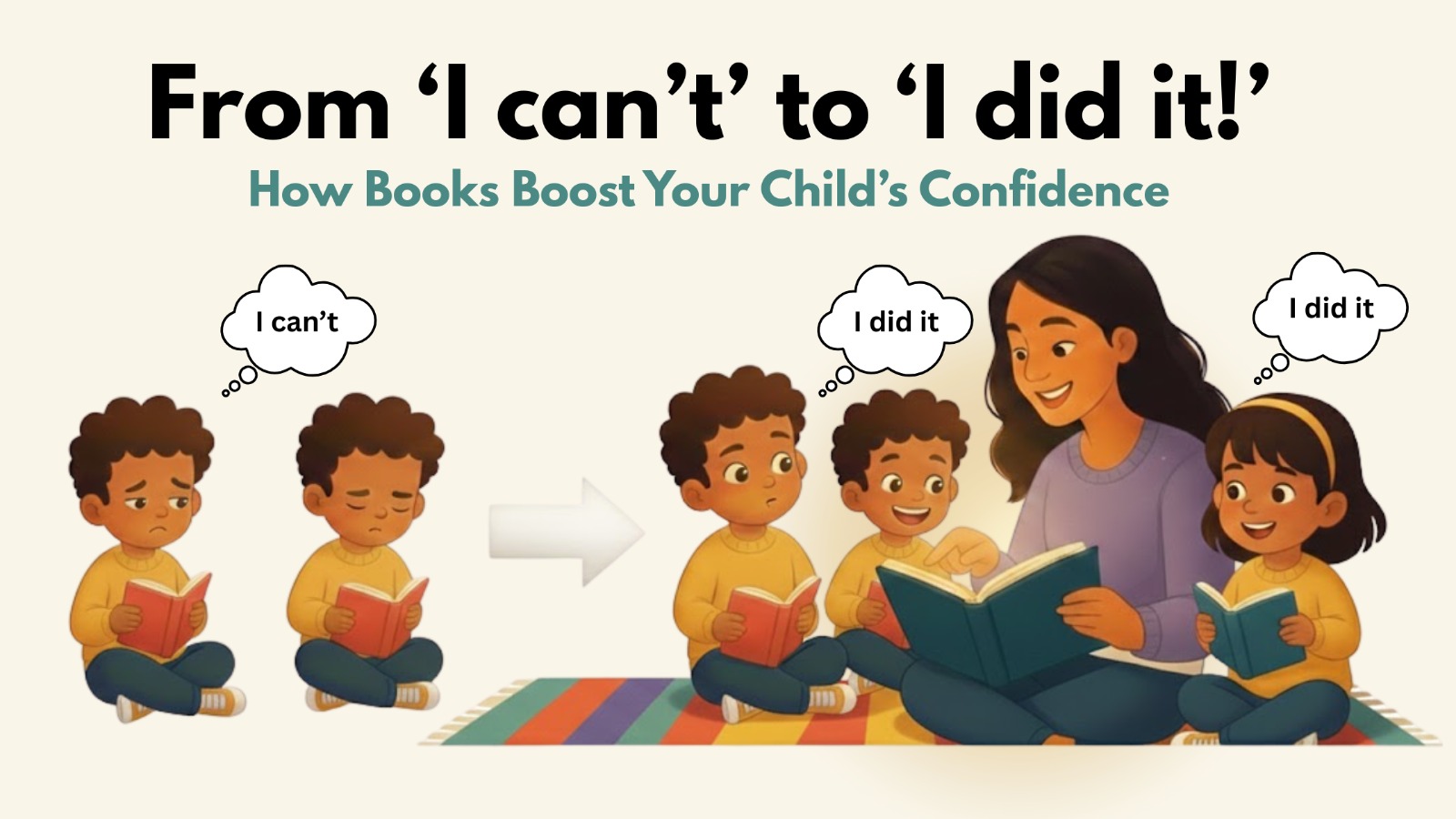
Encourage regular reading. Reading age-appropriate books exposes children to vocabulary and familiar spelling patterns. Let them read at a comfortable pace without turning every reading session into a test.
Correct mistakes calmly. Instead of pointing out every error, choose a few words to work on. Encourage your child to identify the mistake and try correcting it independently.
Build confidence through small improvements. Praise effort, progress, and the use of strategies. Children are more willing to practice when they do not feel judged for making mistakes.
How Power Reading Hub Can Help Your Child
When a child keeps making the same spelling mistakes, more practice is not always the answer. They may need a better understanding of the skills behind spelling, reading, word recognition, and written language.
At, Power Reading Hub supports children aged 8–11 who experience difficulties with reading, spelling, comprehension, and writing. Its approach focuses on strengthening the foundational skills children need to become more confident and independent learners.
Through Supriya Raja’s 4-Pillar Power Reading Framework, children can work on the underlying reading challenges that may affect their learning, rather than relying only on repeated spelling exercises.
The aim is to help children develop stronger literacy skills, approach written work with greater confidence, and feel more comfortable expressing their ideas.
If your child is struggling despite regular practice, understanding the reason behind those difficulties can make a meaningful difference.
Frequently Asked Questions
Why does my child forget spellings they have already learned?
Children may remember a word during practice but struggle to retrieve it later. They may need more structured practice, stronger connections between sounds and letters, and repeated opportunities to use the word in writing.
Is it normal for an 8-year-old to make spelling mistakes?
Yes, occasional spelling mistakes are normal. However, frequent errors in familiar words, limited progress, or difficulties affecting reading and writing may indicate that additional support is needed.
Should I make my child write difficult words repeatedly?
Repeated copying alone may not address the reason behind the mistake. Teaching spelling patterns, breaking words into sounds, reading, and practicing recall can be more useful.
Can reading improve my child’s spelling?
Reading helps children become familiar with words and spelling patterns. However, children with persistent spelling difficulties may also need explicit spelling instruction alongside regular reading.
Help Your Child Move Beyond Repeated Spelling Mistakes
Every child can learn, but not every child learns in the same way or at the same pace. Repeated spelling mistakes can be frustrating for both parents and children, especially when practice does not seem to bring lasting improvement.
Instead of treating every mistake as something that needs correcting, try to understand what your child is finding difficult. With the right guidance, consistent support, and opportunities to practice without fear, children can gradually strengthen their spelling, reading, and writing skills.
If your child continues to struggle, Power Reading Hub can help you explore the support needed to build stronger literacy foundations and develop a more confident learner.