Discover Reasons Why Your Child Hates Reading. From Learning Gaps To Pressure, Supriya Raja Shares Expert Insights To Turn A Reluctant Reader into a Book Lover. One of the most significant skills that the child can develop is reading, but the following question bothers many parents:
“My Child Hates Reading.”
This is one of the most common things at a tutoring level- and the good news is, it is fixable. The majority of the children do not really despise reading. They just have not experienced it in the right way.
The guide will assist you in knowing the actual causes of it and how you can subtly steer your child back to liking reading.
Why Do Children begin to hate reading?
Before correcting the issue, one should have an idea of the problem causing it. Each child is unique, but these tendencies do recur in some cases.
- Reading Feels Like Pressure: Children start relating reading to stress when it is constantly intertwined with homework, marks, or correction. In the long run, they begin to shun it.
- They are not interested in what is being taught: Unless the content is according to the children’s likes, they will lose interest more easily. A child who likes cricket will not relate to a storybook he/she has picked at random.
- The Level of difficulty is also excessive: When a child finds it difficult to read all the lines, it will have an impact on his or her confidence. The process of reading must be easy–not aggravating.
- Too Much Screen Exposure: Sensational videos and games provide immediate pleasure. Reading in comparison is boring and more monotonous.
- Lack of Reading Habit at Home: Children learn by observing. Unless reading is an everyday practice at home, they will be unlikely to pick up the habit on their own.
- Hidden Learning Challenges: Reading problems are sometimes due to underlying problems such as slow processing or word recognition problems. These require time and good counseling.
The way a Tutoring Approach Can make the difference
In a good tutoring center or home learning environment, it is not only a matter of reading more, but Reading Comprehension For Kids and finding the occupation pleasant.
The right approach builds:
- Confidence
- Comfort with words
- Natural curiosity
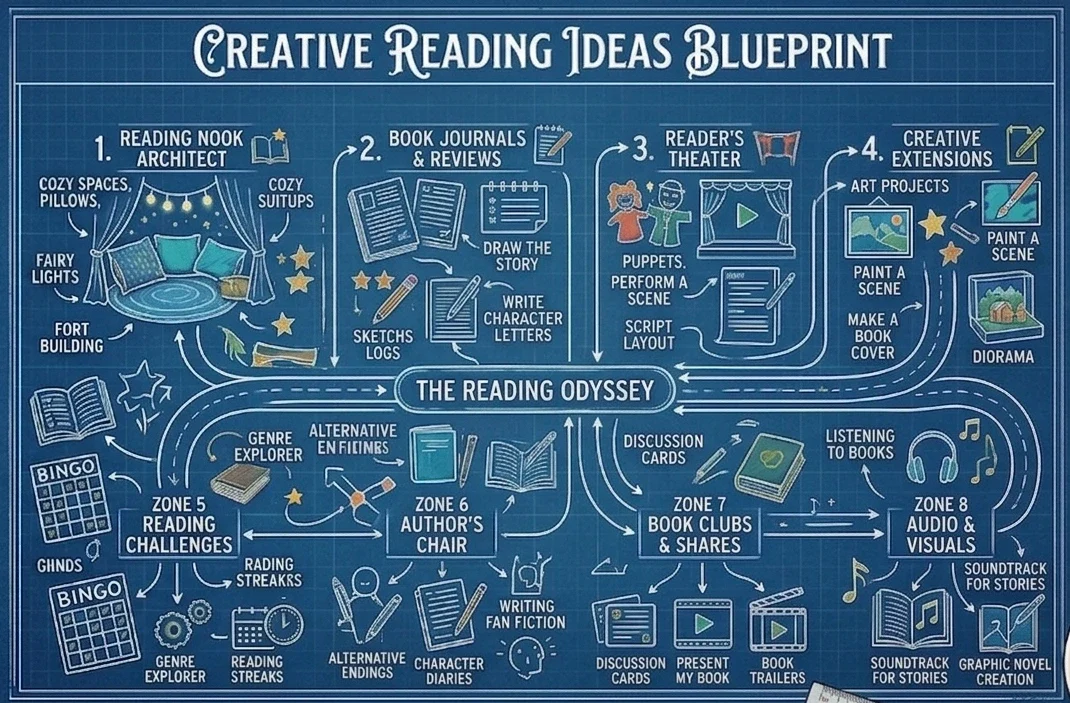
7 Kind Things To Do to Have Your Child Like Reading
Such straightforward and realistic approaches can make a difference without causing any pressure.
- Allow Your Child to Determine What to Read:
- Give them freedom. It may be comics, short stories in general, and even mere books on information; the interest will always follow first.
- Children have a choice and hence become more engaged.
- Begin with Smaller Reading Objectives.
- Short reading lessons should be avoided at the start.
Try this:
- 5 to 10 minutes daily
- One page at a time
- Short and easy texts
Little achievement generates confidence bit by bit.
- Pick the Right Reading Level
The adopted level is highly important.
A simple check:
When your child can hardly read an entire page due to a lot of words, the book is too challenging.
Provided that they read fluently, it is the proper level.
During tutoring, we will never assign reading content below the comfort level of the child.
- Make Reading a Shared Activity
Together reading eliminates fear and develops interest.
You can:
- Read aloud together
- Take turns reading
- Let your child listen first
- Establish a Daily Reading Practice.
It is stability that takes precedence over time.
Best moments to incorporate reading:
- Before bedtime
- After school
- During quiet time
A constant routine gradually transforms reading into a habit.
- Connect Reading to Real Life
Children learn more through examples.
Examples:
- Game instructions for reading.
- Following a simple recipe
- Getting to know one of the stories behind their favorite movie.
- Be a Role Model: Children do what they observe. They will be more apt to do the same if they observe you reading regularly- even just a few minutes.
How Tutoring Can Help Reluctant Readers?
Reading Problems in Children may be helped by means of structured tutoring.
On a level of tutoring, we concentrate on:
- Personalized reading plans
- Step-by-step skill building
- Developing pronunciation and fluency.
- Building a tension-free atmosphere.
This assists the children in overcoming hesitation and gaining confidence.
Signs Your Child Is Improving
With ease and enjoyment in reading, you may observe:
- Better focus and attention
- Increased vocabulary
- Show more interest in tales and facts.
- Better academic results at school
These minor adjustments develop effective skills in the long run.
Conclusion
If your child does not like reading, it does not imply that he or she cannot become a good reader.
It simply means they need:
- The right support
- The right pace
- The right environment
Reading can be an enjoyable experience that your child will not dread with a kind attitude and constant encouragement.