Key Takeaways
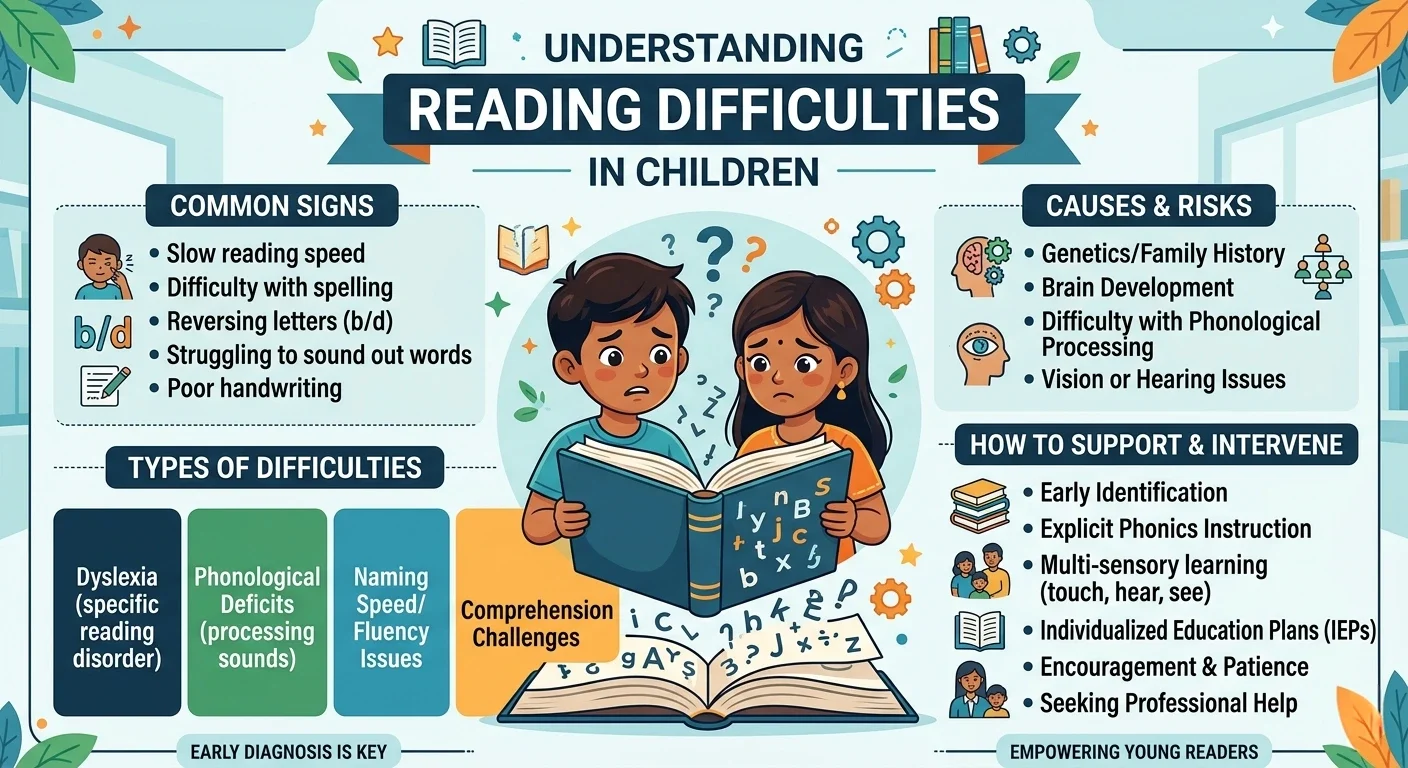
- Children who have attention problems in learning don’t appear slack, but restless, forgetful or have trouble finishing tasks.
- Sleep or screen time problems, anxiety, learning differences, ADHD and other factors can be causes.
- Little changes in the home and school environment can make great improvements.
- Early interventions by the parent, teacher and (if required) professional have a lasting impact.
Understanding the Issue
Children often find it difficult to concentrate, staying focused is sometimes a challenge. However, if a child finds it difficult to concentrate on a daily basis, and fails to follow instructions, can’t remember what books to read, or does not continue through lessons, there could be underlying issues. Attention Problems in Children’s Learning are more prevalent than ever with children learning, and if detected early , it may save days , weeks , months and even years of frustration.
Let’s take the signs and causes down, and really look at the solutions.
These are the typical signs that you should watch for
Attention difficulties may not exhibit the same way. Some are noisy, hyper and distracted; others are quiet, day-dreaming.
These are the types of patterns to search for:
- Planning challenges; having trouble with steps, putting things together, or keeping track of things (“I can’t figure out how to put my bag together, shoes on, and wait at the door.
- Losing items frequently – such as pencils, water bottles, homework etc.
- Beginning activities but not necessarily completing them
- Focusing on something else in class at school and/or at mealtimes at home
- Avoidance of reading or writing assignments due to frustration and/or difficulty
- Disturbed by movement, especially in favourite activities
Real example: It was simple for Aarav to remember cricket statistics but not a 3-line spelling list. His teacher named him “careless. That’s not an intelligence thing, it was just a screening.
Why do problems with attention occur?
There is normally some element of more than one cause. Of course, it may be a combination of things.
Biological factors:
- Adhd (attention deficit hyperactivity disorder) or other neuro-developmental disorders.
- Failure to understand the conversation due to a hearing or sight disorder that is being confused with inattention
- Poor sleep quality
Environmental factors:
- Excessive screen time (particularly fast paced videos)
- Unproductive work areas that lack privacy and/or are noisy.
- Inconsistent routines
Emotional factors:
- Fear of school/stress at home
- Learn to relax the body
- Avoidance of new experiences and situations due to a fear of failure
- Bullying/social issues
Nutritional factors:
- Skipping breakfast
- High amount of consumed sugar and processed food.
- Headaches (including those from dehydration – yes, even mild dehydration causes headaches).
Step-By-Step Solutions That Do Work!
Step 1: First, observe, don’t react.Step one: Don’t react, observe
Take note for a week where attention is lost. Does it have to happen in math? After lunch? On screen-heavy days? Patterns reveal triggers.
Step 2: Fix the Foundation
Most important, make sure that your child has:
- School-age children (9 to 11 years): 9-11 hours of sleep (adheres to standard sleep so far as possible)
- A high protein morning meal such as eggs, nuts or dairy
- Plenty of outdoor play (45 minutes or more per day)
- Restricting screen time (particularly before bedtime).
Step 3: Redesign the Study Space
The expensive tuitions are not as important as the focus.
- Do not position the desk in front of a window or a mirror!
- Clear toys, phones and clutter.
- Use a simple Timer (try 20 minutes of work 5 minutes of break)
- Have water and a nutritious snack on hand
Step 4: To tackle each task as a series of small wins
Often asked students to do is: “Finish your homework” which should be changed to:
- “Complete 5 math problems.”
- Short break.
- Read One Paragraph with the student.
Little successes make for big momentum and big confidence.
Step 5: Use Movement as a Tool
Numerous children’re able to concentrate better when they’re in motion. Let them:
- Stand while reading
- Sit on a yoga ball while reading or studying a book
- Walk while reciting tables
Real example: Meera, age 10, was unable to remember the dates of history. At night, while they were out for one of her walks with her mother, she began being asked questions. In just two weeks, recall was dramatically improved.
Step 6: Students will be taught to praise efforts, not just outcomes
Instead of saying “You got an A” say, “I saw that you worked really hard on this worksheet.” This develops persistence – focus is a must.
Step 7: Co-operate with teachers
Ask the teacher to:
- Seat your child near the front
- Provide clear instructions, both orally and in writing
- Allow short movement breaks
- Send out weekly updates of progress
Step 8: Call in Professional Assistance if necessary
After managing the problem for 2-3 months, if it remains consistent, speak to the pediatrician, psychologist or learning specialist. Don’t be afraid to ask, early support saves lives.
Quick Recap
- Children learning have attention problems can be identified as forgetting things, restlessness, or unfinished tasks ..
- Sleep, diet, screens, emotions and sometimes ADHD can cause it.
- Solutions start with observation, sleep, food and a quiet study area and with small task chunks.
- Movement, and praise, and Teacher partnerships have a real impact.
- Pro skills are a good thing, not a bad one.
Conclusion
If kids have issues with focus, they’re not broken they’re children growing into humans that live in a distracting world. If done patiently, with structure and proper support, attention can be taught just like a muscle. All individual sections count! Each minute counts – get focused. Follow the process, give credit for small steps, and know that each distracted kid has a genius in charge who awaits the appropriate key. For more tender, sensible advice on Attention Problems in Children’s Learning, follow Supriya Raja As every child deserves to flourish.