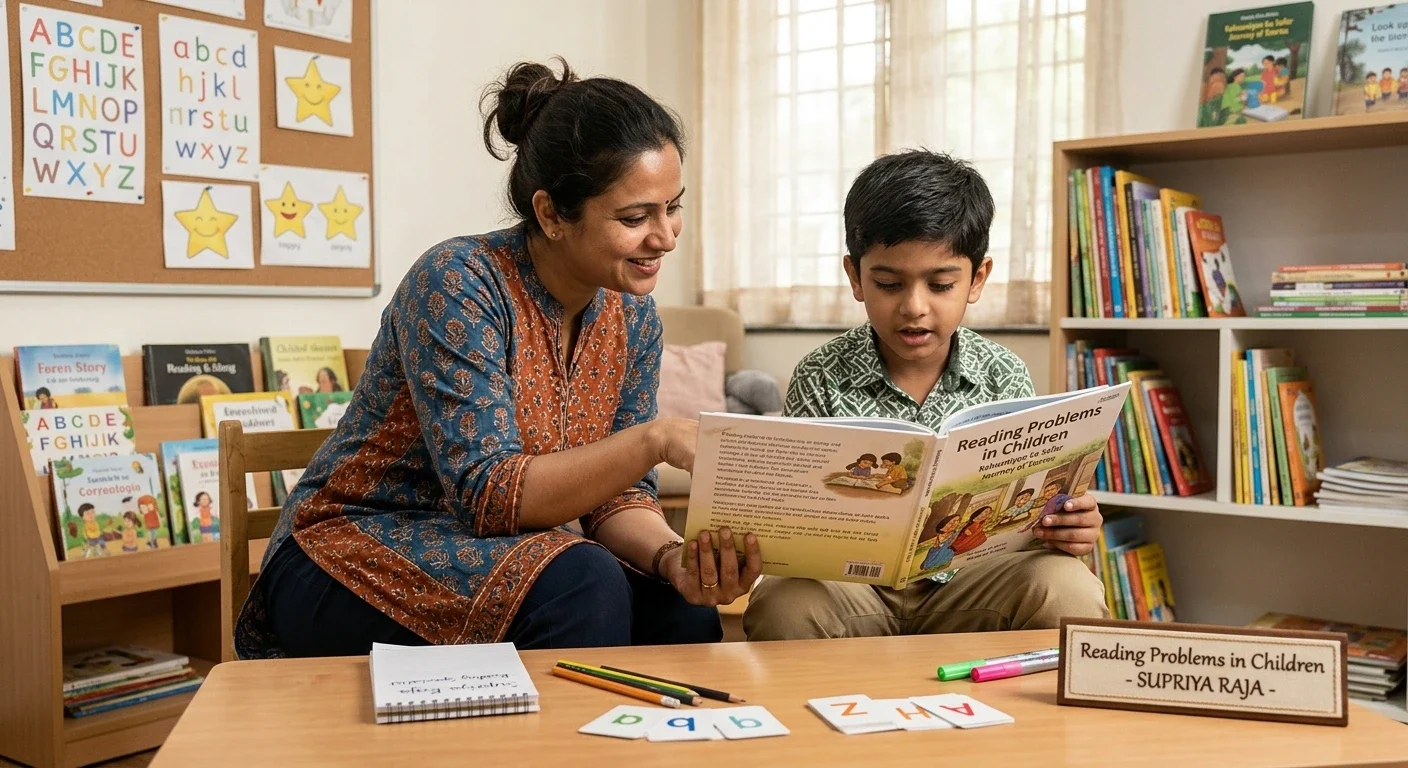
Program Duration Guide: How Long Do Students Remain Enrolled?
When a child is struggling with reading, phonics, or comprehension, parents often ask one crucial question before beginning intervention: “How long will my child need to stay in the program?”
It is a completely natural concern. Parents want clarity, a realistic timeline, and a clear vision of when their child will transition from struggling to reading independently.
The short answer is that there is no one-size-fits-all timeline. However, understanding how a structured Remedial Reading Program works can help parents set accurate expectations and celebrate every milestone along the way.
Understanding the Factors That Influence Duration
The duration of a child’s journey in a specialized literacy program depends on several key variables. Every child’s brain processes language differently, and remedial education is designed to cater to individual learning paces rather than enforcing arbitrary deadlines.
1. The Depth of the Initial Literacy Gap
The primary factor determining timeline is where the breakdown in reading occurs. A student who only needs targeted support in multi-syllabic decoding or basic fluency will progress much faster than a student facing cumulative gaps across phonemic awareness, spelling, syntax, and reading comprehension.
2. Consistency and Attendance
Structured literacy relies on cumulative, systematic learning. Consistent attendance in live sessions and regular daily reinforcement at home build strong neural pathways for reading. Sporadic practice often slows momentum, while consistent, bite-sized sessions accelerate mastery.
3. Emotional Readiness and Confidence
Reading difficulties frequently lead to anxiety, low self-esteem, or school fatigue. Before complex skills can take root, children must feel safe, supported, and confident. As self-doubt diminishes, learning speed exponentially increases.
Typical Timelines in a Remedial Reading Program
While every learner is unique, intervention generally falls into clear, progressive phases:
| Phase | Estimated Duration | Primary Focus | Key Outcomes |
| Foundation & Assessment | Month 1 – Month 3 | Pinpointing skill breakdowns, restoring confidence, and establishing foundational phonics and decoding rules. | Reduced reading anxiety, better sound-symbol recognition, improved single-word accuracy. |
| Core Skill Building | Month 4 – Month 9 | Strengthening multi-syllable decoding, vocabulary expansion, sentence structure, and oral fluency. | Faster reading speed, ability to tackle longer words, improved classroom performance. |
| Comprehension & Autonomy | Month 10 – Month 18 | Deep comprehension, critical thinking, expressive writing, and independent reading habits. | Reading at or near grade level, independent book selection, sustained academic confidence. |
On average, most students spend 6 to 18 months in a comprehensive Remedial Reading Program to achieve grade-level fluency and long-term independence.
The Supriya Raja Approach: Rebuilding Literacy Systematically
Special Educator and Remedial Literacy Specialist Supriya Raja has spent over 17 years helping children overcome severe reading obstacles. Through her signature 4-Pillar Power Reading System™, she moves away from generic, long-term tutoring and focuses instead on targeted, measurable intervention.
Rather than keeping students indefinitely, the goal under the Supriya Raja framework is to pinpoint exactly where a child’s literacy broke down, systematically rebuild those foundational gaps, and equip the child—and their parents—with the tools needed for lifelong reading success.
By combining explicit structured literacy with empathetic encouragement, students build genuine skill rather than temporary coping mechanisms.
How to Know When a Student Is Ready to Graduate
Graduation from a Remedial Reading Program is not marked by an arbitrary calendar date; it is determined by functional independence. A child is typically ready to transition out when they demonstrate:
- Independent Decoding: Ability to sound out unfamiliar, complex words without guessing.
- Active Comprehension: Ability to explain story themes, answer inferential questions, and summarize passages smoothly.
- Reduced Academic Stress: A transition from avoiding books to approaching reading tasks with curiosity and self-assurance.
- Classroom Alignment: The ability to keep pace with school-level reading and writing demands without constant heavy scaffolding.
Final Thoughts
Remedial reading is not a lifelong sentence it is a supportive bridge. With structured guidance, tailored intervention, and strong home-school alignment, children do not just catch up; they discover the joy of reading and become confident, independent learners for life.