How to Help Your Child Improve Reading Comprehension
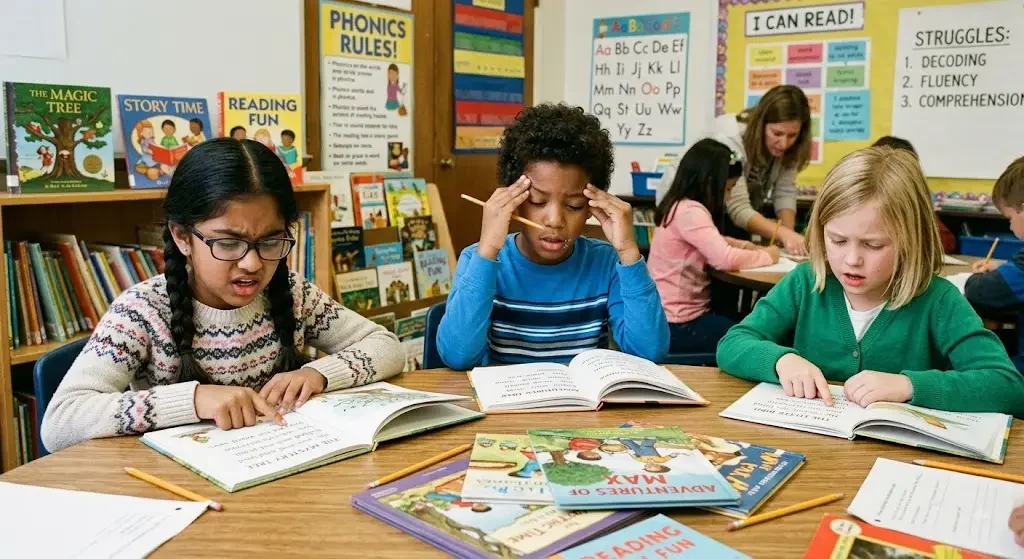
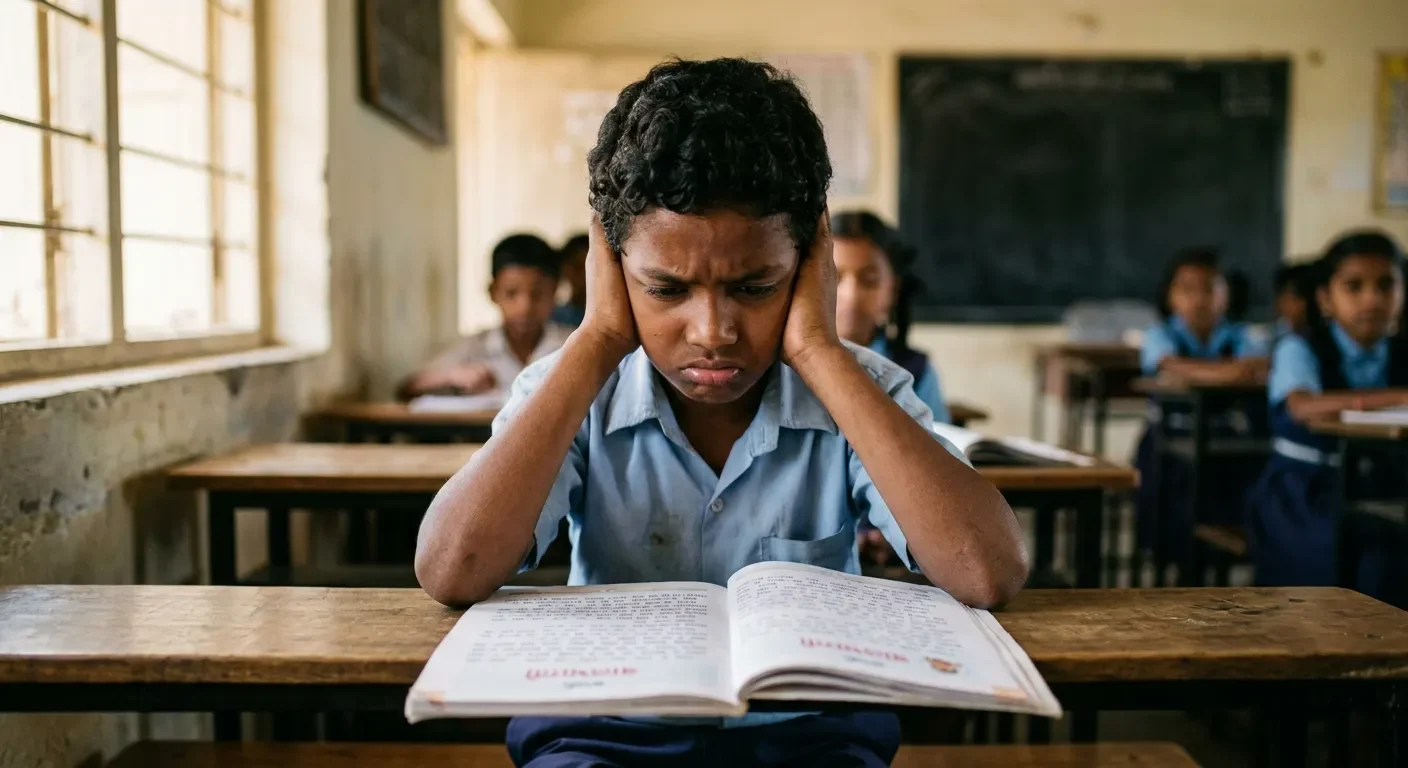
Watching a child sound out every word on a page feels like a win—until you ask them what they just read, and they look at you with a blank stare.
Decoding words is only half the battle. The real goal is understanding, connecting, and processing the story. Building strong Reading Comprehension for Kids is about transforming reading from a passive chore into an active, engaging experience.
Supriya Raja believes that every child can become a confident reader when guided with the right tools and mindset. Here is how you can help your child move beyond just reading words to truly understanding them.
1. Shift from “Reading To” to “Reading With”
When kids read independently, their mental energy often goes entirely into pronouncing complex words. That leaves little brainpower for understanding the plot.
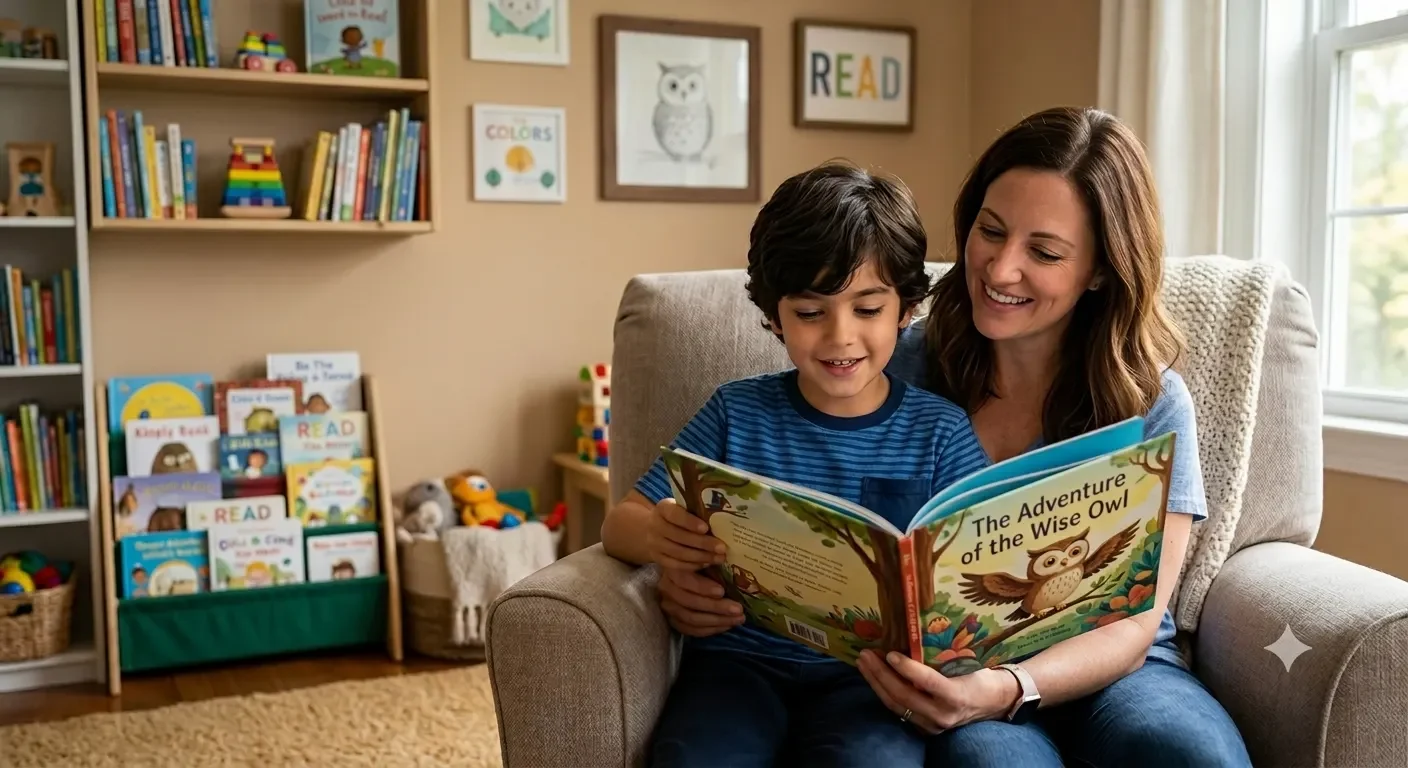
Try interactive reading instead. Read a page, then have your child read the next. Pause naturally to talk about the story. Ask open-ended questions like:
- “Why do you think the character made that choice?”
- “What do you think is going to happen next?”
- “How would you feel if you were in that situation?”
These brief pauses train the brain to process context while reading, which is the cornerstone of Reading Comprehension For Kids.
2. Encourage Visualizing (“Movie in the Mind”)
Strong readers create mental pictures as they read. Struggling readers often see only text on a page.
Help your child build this skill by inviting them to picture the scene. After reading a descriptive passage, ask them: “If this page were a scene in a movie, what would it look like?” Have them draw a quick picture of a chapter or describe the setting in detail. Turning words into mental images dramatically improves retention and recall.
3. Build a Rich Vocabulary Base
It is difficult to comprehend a paragraph when every third word is unfamiliar. Vocabulary and comprehension go hand in hand.
- Introduce word context: When you encounter a tricky word, don’t just give the dictionary definition. Explain it using relatable everyday examples.
- Spot clue words: Teach your child to use surrounding sentences to guess what an unfamiliar word means before looking it up.
- Normalize asking questions: Praise your child whenever they stop to ask, “What does that mean?” Curiosity is a reader’s best asset.
4. Connect Stories to Real Life
Children understand concepts faster when they can relate them to their own lives. At Power Reading Hub, Supriya Raja emphasizes building personal connections to text:
| Connection Type | How to Prompt Your Child | Example |
| Text-to-Self | “Has anything like this ever happened to you?” | Relating a character’s moving day to their own first day at a new school. |
| Text-to-World | “Does this remind you of anything we saw in real life?” | Linking a book about animals to a recent trip to the zoo. |
| Text-to-Text | “Does this story remind you of another book we read?” | Comparing hero journeys across two different adventure books. |
Making these mental links creates anchor points in memory, making the story easier to understand and remember.
5. Teach the Art of Re-Reading
Many children think good readers read a page once and instantly get it. In reality, skilled readers frequently pause, re-read confusing sentences, or backtrack when the plot stops making sense.
Normalize this process. If your child seems lost, say: “That part was a bit tricky—let’s re-read that paragraph together to make sure we didn’t miss anything.” Teaching kids that re-reading is a smart strategy—not a failure—removes frustration and builds self-monitoring skills.
Supriya Raja’s approach
Improving reading comprehension takes patience, consistency, and encouragement. Progress doesn’t happen overnight, but small, daily habits make a lasting difference. Celebrate the small victories, keep discussions lively, and focus on the joy of discovery through stories.