Key Takeaways
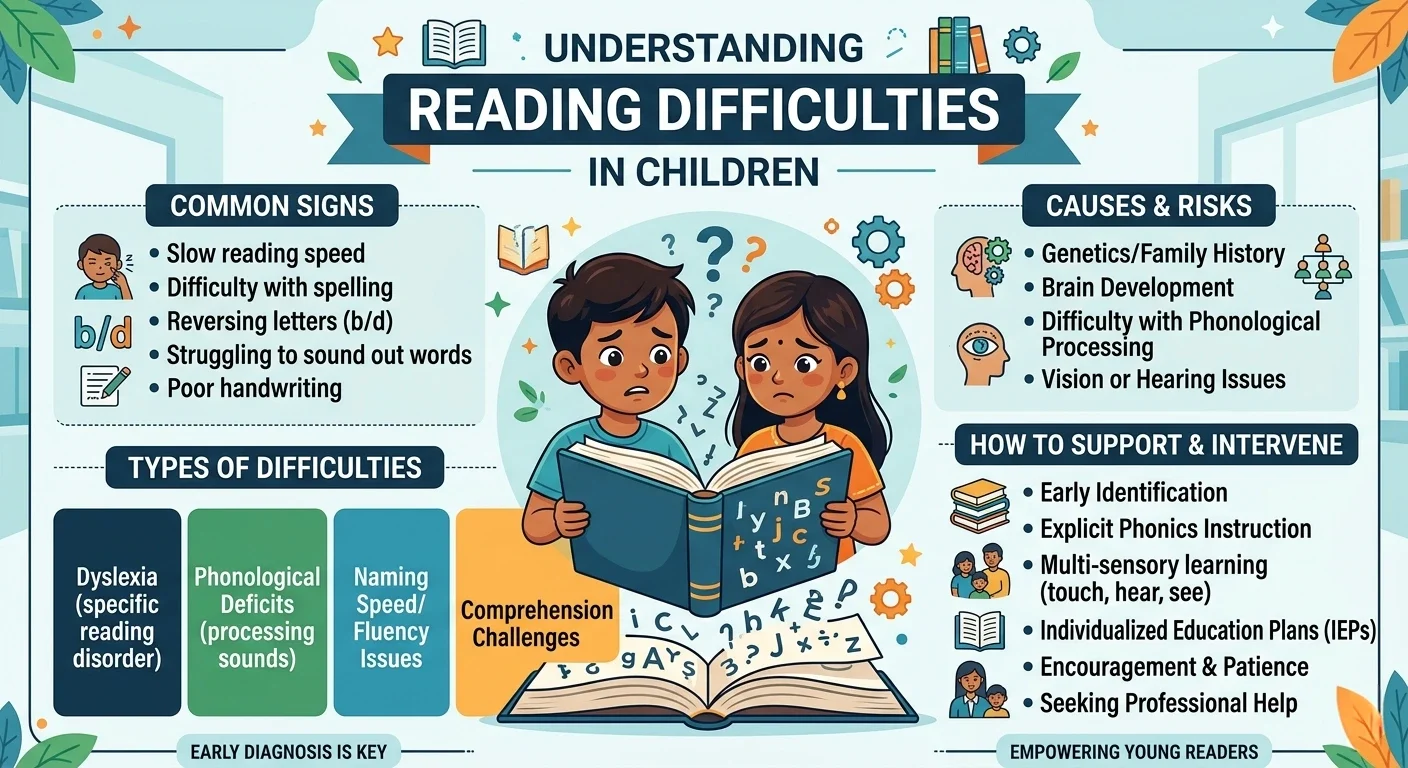
- Remedial reading is a step-by-step reading program that helps learners improve their reading.
- A lack of early literacy intervention can lead to long term struggles in school.
- Phonemic awareness instruction is a key step toward reading achievement.
- Pupils develop confidence, accuracy and speed through effective reading fluency strategies.
- Multisensory learning enables pupils to remember things better.
- Dyslexia support and intensive reading instruction will make reading easier and less stressful, if personalised.
- Good results are seen through consistent practice at school and home.
What is a Remedial Reading Program?
For students who have difficulty learning to read a Remedial Reading Program is used. These programs build stamina in listening to and decoding words, comprehension, and fluency based on evidence.
There may be important skills some pupils have missed out on in their early reading and there may be learning difficulties, including dyslexia. Children can progress and develop confidence with support in reading.
The primary purpose is to enable readers to comprehend words clearly and to enjoy reading without frustration.
Literacy Intervention Matters
Reading has an impact on all content areas of the school and many aspects of daily living. Learning disabled children may also have difficulty in following directions, doing their homework, or in following along with class discussions.
Early literacy intervention supports students to:
- Improve academic performance
- Build confidence
- Minimize stress and aggravation
- Improve communication ability
For instance, a child who is reluctant to read aloud can start to read confidently following structured reading practice and encouragement.
Important Parts of Reading Support
Phonemic Awareness Training
The phonemic awareness training provides students with knowledge about the sound system of words. Students recognise, mix and isolate sounds.
Simple activities include:
- Clapping syllables
- Matching rhyming words
- Segmenting words into sounds
- Identifying initial and final consonants or vowels in words.
These exercises help children to grasp the functioning of language prior to reading whole sentences.
Structured Phonics Instruction
The link between letters and sounds is taught in Phonics. A quality Remedial reading program begins to teach phonics in a systematic and explicit manner.
Students practice:
- Letter-sound relationships
- Word patterns
- Syllable rules
- Common sight words
This makes it easier to decode and enhances independent reading skills.
Reading Fluency Strategies
Fluency is defined as to read smoothly, correctly, read with expression. Sometimes readers struggle with comprehension due to weak fluency; they tend to fixate on words.
Some useful tips for reading fluency are:
- Repeated reading
- Guided oral reading
- Listening to audiobooks
- Daily reading of short texts (in English)
If you read the same paragraph a number of times, for example, you will get faster and more confident at reading the paragraph naturally.
The benefits of Multisensory Learning
Hands-on activities are a great way for many struggling readers to learn. Multisensory learning involves the use of sight, sound, movement and touch to enhance learning.
Examples include:
- Write letters on the sand and trace them.Trace letters in sand.
- Practicing with flashcards of pictures.
- Aloud writing of words
- Representing sounds with colored blocks
A great way for students who require dyslexia support will appreciate this method, as it will help to enhance concentration and memory.
The intensive reading instruction is being provided to support progress
There are some pupils who require more concentrated instruction than that which is available in the mainstream classroom. Intensive reading instruction provides individualized support in smaller groups or individually.
Key benefits include:
- Individual attention
- Daily reading practice
- Smooth and relaxed learning process
- Regular progress checks
Little by little, over time, little can make a big difference in terms of reading growth.
some suggestions on how parents can help at home
Parents are an essential partner in the improvement of reading skills. Little things can make a huge difference in everyday life.
This section contains some helpful tips for families.
- Read daily as a family
- Encourage children patiently
- Allow children to select books that they like to read
- Encourage efforts rather than correctness
- Make a safe reading nook
Shared reading of signs, storybooks, or short articles will help build confidence and vocabulary.
Quick Recap
In a successful Remedial reading program, Phonemic awareness training, phonics, reading fluency strategies, comprehension practice and multisensory learning are all incorporated into the program. Struggling readers build confidence and independence through early literacy intervention, appropriate dyslexia intervention and frequent encouragement.
Conclusion
A learner’s learning ability should never be hindered by inability to read. Proper reading instruction will enable students to make progress one step at a time, by providing reading support for children, teaching methods grounded in research, and intensive reading instruction. Every learner can develop their reading strengths and a better future with the support of teachers, the involvement of parents and the trust of a Supriya Raja.